
Reviewed · SOVIET VILNIUS TOURS
Soviet Vilnius Half-Day private Tour by minivan
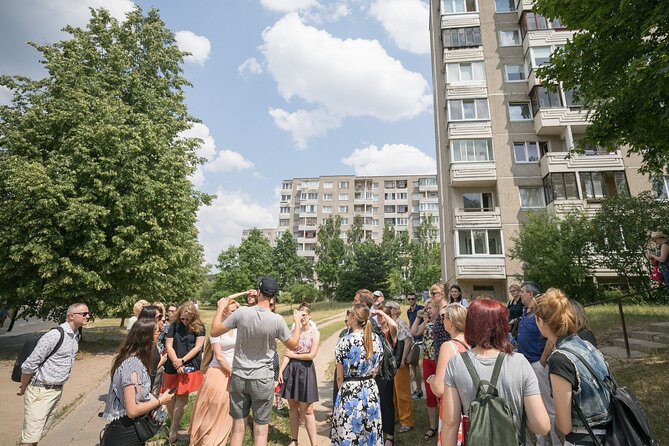
Soviet Vilnius hits fast. This half-day private minivan tour is a sharp, guided walk through the people, places, and buildings tied to Lithuania’s Soviet years. I especially like the clear historical thread it gives, and the way you get both outdoors stops and an included museum visit without feeling rushed.
Two things I really appreciated: the small private format (just your group in the vehicle), and the mix of sites that show Soviet power in different ways, from a solemn memorial to repurposed industrial space. One consideration: Stop 1 is a short visit and its admission is not included, so you’ll want to budget a bit extra if you plan to enter.
If you want Vilnius history with context, this route is a practical choice. It’s designed for a 3-hour window, so you get enough time to understand what you’re seeing, then move on before fatigue sets in.
In This Review
- Key highlights that make this tour worth it
- A focused 3-hour loop built for orientation
- Tuskulenai Peace Park memorial stop for real context
- Open Gallery at Elfa: when industrial walls turn into street art
- Inside the Museum of Occupations and Freedom Struggles
- Palace of Culture: a free stop with layered meaning
- Minivan comfort, pickup, and how the timing feels
- Price and value: what you pay for, and what you do not
- When to go: weather, language, and how to plan your day
- Who this tour suits best
- Should you book this Soviet Vilnius half-day private tour?
- FAQ
- How long is the Soviet Vilnius half-day private tour?
- What is the price per person?
- Is this tour private or shared?
- Do I get pickup?
- Which parts include tickets?
- What languages are available?
- What are the typical operating days and hours?
- Is the tour weather dependent?
- How flexible is cancellation?
Key highlights that make this tour worth it
- Private minivan pickup option so you do not waste time figuring out transport
- Museum of Occupations and Freedom Struggles included, with time set aside for documents and exhibitions
- Open Gallery street art in a former Soviet electrical engineering factory site
- KGB-related content presented through the museum’s prison and resistance-focused displays
- Two free stops that balance the ticketed museum visit with lighter walking
A focused 3-hour loop built for orientation
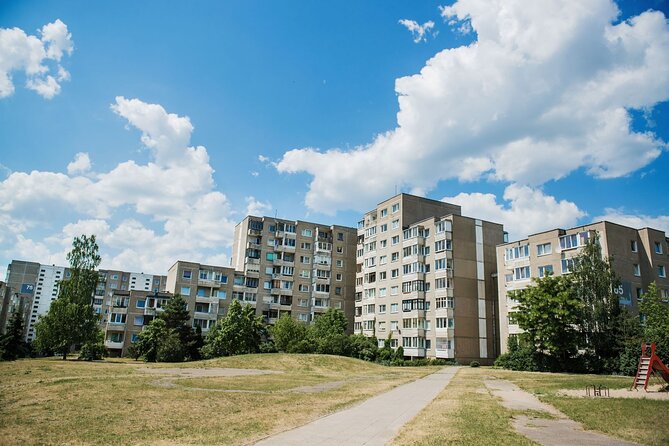
This tour is built like a history crash course, but not the noisy kind. You start with a memorial complex, then shift to cultural reuse, then head into one of the most direct places in Vilnius for understanding Sovietization and armed resistance. The whole thing runs about three hours, with short, timed stops along the way.
What I like for your planning: the schedule is structured around brief introductions rather than long stand-alone museum marathons. That means you can do it early in a trip and come away with a framework for reading the city as you go. It is also a good length if you want something meaningful but still want time later for Vilnius old-town wandering on your own.
The vehicle part matters too. An air-conditioned minivan is a real help in Lithuania’s weather swings. And because it is private, you are not stuck with a loud, mismatched group pace. Your guide can slow down or speed up based on what you want to emphasize.
More of the Soviet decades still standing:
- Regular walking tour of Soviet Vilnius
★ 5.0 · 259 reviews - Vilnius: Regular Walking Tour of Soviet Vilnius
★ 4.9 · 252 reviews - Vilnius: The Way of Freedom: Behind the Walls of the KGB
★ 4.8 · 86 reviews - Dzukija National Park and Grutas Park: Full-Day Tour
★ 4.4 · 18 reviews
Tuskulenai Peace Park memorial stop for real context
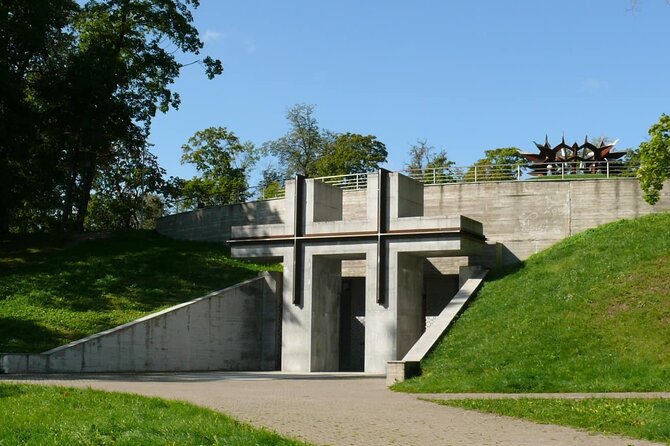
The first stop is the Memorial Complex of the Tuskulenai Peace Park. You get about 15 minutes here, and the focus is on the tragic events in Lithuania’s history in the 20th century. Even with a short time window, a guided visit like this can do something big: it sets the emotional and historical baseline for everything that follows.
Two practical notes for you:
- Admission for this stop is not included, so check whether you want to enter before you reach it.
- Because it is a memorial setting, plan for quiet, slower attention. If you rush, you will miss the point.
I also appreciate that the tour does not jump straight into exhibitions. It gives you a moral and historical starting point first, then transitions into the more specific Soviet-era machinery later.
Open Gallery at Elfa: when industrial walls turn into street art
Next comes the Open Gallery, set in the former Soviet electrical engineering factory Elfa. This is one of those stops that changes your view of the Soviet period quickly. Instead of only treating the Soviet years as something to study, you see how the physical spaces can be repurposed.
You get about 20 minutes here, and admission is free. That makes it a smart breather in the middle of the more heavy-duty content. You can look at the graffiti and street art styles without needing extra tickets, and the guide can help you connect the transformation of a site to the broader theme of memory and rebuilding.
A good consideration: since the time is short, treat this like a curated walk. If you want to spend extra time photographing or reading more details, you may want to come back later on your own when you have more time.
Inside the Museum of Occupations and Freedom Struggles
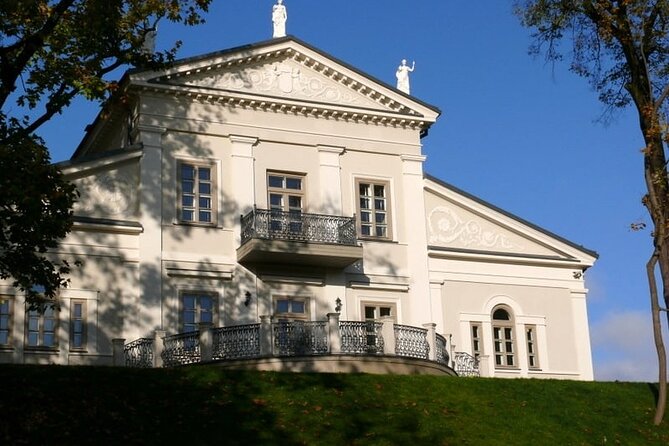
The centerpiece is the Museum of Occupations and Freedom Struggles, where you get about 30 minutes and tickets are included. This stop is also the most directly aligned with the darker heart of the Soviet system in Lithuania.
The museum uses the setting of a former office related to the KGB deputy chief of internal prison. On the first floor, you will see an exhibition built from documents, photographs, maps, and other items showing Sovietisation in 1940-1941. That matters because you are not just looking at ideas. You are looking at evidence, presented with a structure your guide can explain in plain language.
Then the museum also covers the guerrilla war period, specifically the 1944-1953 resistance. The exhibition introduces the territorial structure and military organization of the guerrilla units, alongside the aspirations and day-to-day life of freedom fighters. After that, you also learn how the armed resistance was met with pressure from the NKVD and NKGB, described through an exhibition about the unfair fight.
Here is the practical takeaway: this is not a single-room stop. It is a multi-theme museum. In only 30 minutes, you will not see everything, so the guide’s framing is crucial. This is exactly where a private format helps. If your interests lean toward documents, or toward resistance organization, you can steer your attention and let your guide keep you on track.
If you are sensitive to heavy topics, plan for that emotionally. The museum is serious by design. But it is also one of the most important places to understand why Lithuania’s freedom struggle took the forms it did.
Palace of Culture: a free stop with layered meaning
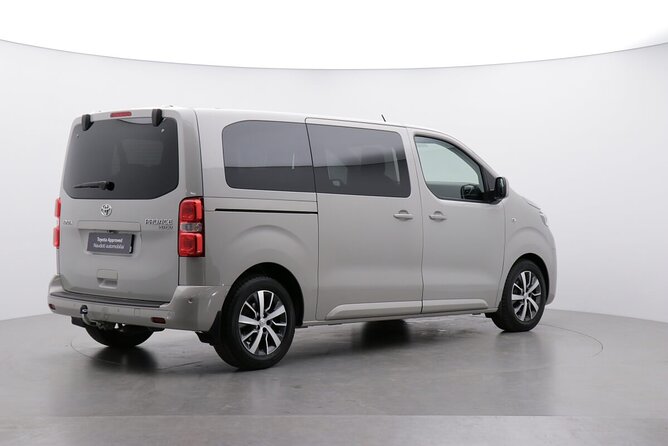
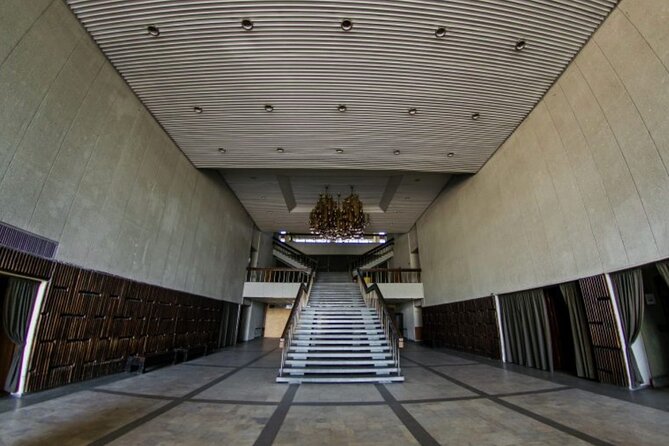
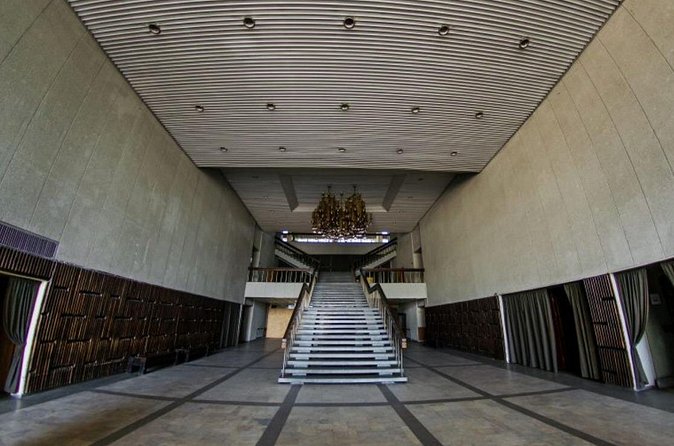
The final stop on this half-day route is the Palace of Culture, Entertainment and Sport. This is on the site of the Piramont cemetery, described as the oldest Jewish cemetery in Vilnius dating back to the 15th century.
The tour treats this stop as more than just architecture. It also connects the palace site to a broader civic story, including that it was a center of a reform movement that led Lithuania toward independence. You get about 15 minutes, and admission is free, which makes it a comfortable wrap-up after the museum.
Why this stop works in a short tour: it reminds you that Soviet and pre-Soviet layers coexist in Vilnius. Even when you focus on the 20th century, you still see that the city’s identity is older and more complex than one political period. The guide can help you notice how buildings function as both cultural spaces and historical markers.
One consideration: because the time is brief, take a quick look from the outside and let your guide point out the key details. If you want more time in this building or want deeper architecture reading, you will likely need a separate stop later.
Half a day covers these:
Minivan comfort, pickup, and how the timing feels
This is a private tour by minivan. Pickup is offered, and the vehicle is air-conditioned. That makes the experience easier if you are managing luggage, weather, or tight schedules between activities.
The tour is roughly three hours, which is a sweet spot if:
- you want a history-focused experience but still want time to explore afterward
- you are traveling with someone who gets tired in long museum sessions
- you prefer a guide who can shape the route to your questions
Timing wise, the stop durations are short: 15 minutes at the first site, 20 at the open gallery, 30 at the museum, and 15 at the palace. The real value is that the transitions are guided. You get context, so you are not left staring at walls and guessing what you should care about most.
If you are the type who loves slow pacing, you might feel that 20 to 30 minutes is barely enough to get your bearings. In that case, treat this as an orientation tour. Then you can do a longer revisit later to the places that grabbed you most.
Price and value: what you pay for, and what you do not
The price is $143.97 per person for about 3 hours. That is not the cheapest way to do Vilnius, but it can be good value when you look at what is included and how private it is.
You get:
- air-conditioned private transportation
- local guide service
- tickets to the KGB museum (the Museum of Occupations and Freedom Struggles)
You do not get:
- admission for the Tuskulenai Peace Park stop
- snacks and drinks
So, you are paying for the combination of guided interpretation, door-to-door convenience by minivan, and at least one paid-entry museum component. If you were to book a guide separately for a few hours and also arrange your own transport and tickets, the private bundle often starts to feel reasonable.
My suggestion: if you want maximum value, plan your snack and drink break yourself. Bring a bottle of water and a light snack if you know you get hungry. This tour does not include extras, and with short timed stops, you may not want to be searching for food at the last minute.
When to go: weather, language, and how to plan your day
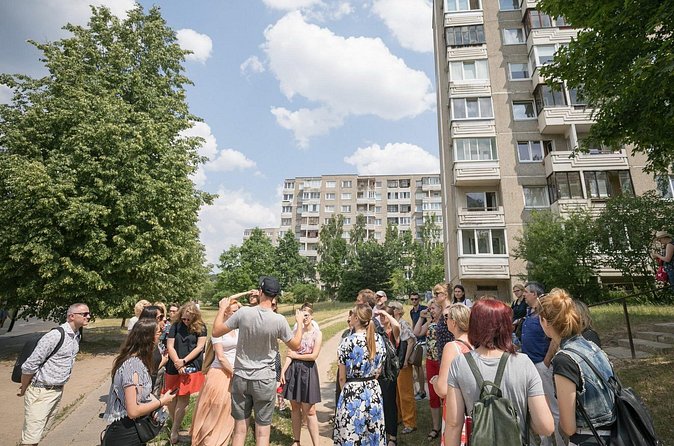
This experience runs during Wednesday to Sunday, and the stated opening hours are 10:00 AM to 6:00 PM. It is offered in English, which is a big plus if you want clarity without guesswork.
It also requires good weather. That matters because at least part of your time is outside at the memorial and the street art stop. If it is rainy or stormy, you may be offered a different date or a full refund, so you will not be stuck with a ruined plan.
If you want this to fit smoothly into your travel day:
- put it earlier rather than later, so you can let the history inform what you see afterward
- plan for a modest walking pace
- check the museum timing so you do not arrive stressed about opening hours
Who this tour suits best
This tour is a strong match for you if:
- you want Soviet-era Vilnius explained in a structured way
- you like a guide connecting politics, architecture, and what you see on the street
- you prefer private pacing over group logistics
- you want both a memorial introduction and an included museum stop
It may be less ideal if:
- you prefer long, free-form museum time
- you want to avoid serious historical content
- you hate any outdoor time when weather is not perfect
Should you book this Soviet Vilnius half-day private tour?
Yes, if you want a fast, guided way to understand the Soviet period in Vilnius without spending half a day figuring out transport and ticketing. The value comes from the private minivan comfort, the included KGB-related museum visit, and the way the route pairs heavy history with places where the city has changed its meaning over time.
Book this tour if you like your history with context, and if you appreciate practical planning. Bring water, expect serious themes at the museum, and remember that the first memorial stop has admission not included, so factor that into your budget.
If you are the kind of traveler who wants to leave Vilnius with a mental map of what the Soviet years did, where you can still see the evidence, and how the city reuses sites afterward, this is a solid choice.
FAQ
How long is the Soviet Vilnius half-day private tour?
It runs for approximately 3 hours.
What is the price per person?
The price is listed as $143.97 per person.
Is this tour private or shared?
It is a private tour, so only your group participates.
Do I get pickup?
Pickup is offered.
Which parts include tickets?
Tickets to the KGB museum are included. Admission for the Tuskulenai Peace Park stop is not included, while the Open Gallery and the Palace of Culture stop are listed as free.
What languages are available?
The tour is offered in English.
What are the typical operating days and hours?
It runs Wednesday through Sunday, 10:00 AM to 6:00 PM.
Is the tour weather dependent?
Yes, it requires good weather. If canceled due to poor weather, you will be offered a different date or a full refund.
How flexible is cancellation?
Free cancellation is available up to 24 hours in advance for a full refund.
The newest Vilnius listings
- Premium Lithuanian Craft Beer Degustation★ 5.0 · 1 review
- Vilnius History and Hidden Gems Self Guided Walking Tour★ 5.0 · 1 review
- Private day tour from Vilnius to goat Cheese farm and Kernave historical capital★ 5.0 · 1 review
- Hot Air Balloon Ride in Nemencine★ 5.0 · 1 review
- From Vilnius: Private Day Tour to Wolfs Liar (Hitler’s bunker)★ 5.0 · 1 review
- Explore Vilnius in 60 minutes with a Local★ 5.0 · 1 review
- From Vilnius: Private Tour to Curonian Spit national park★ 5.0 · 1 review
- Explore Vilnius’ Art and Culture with a Local★ 5.0 · 1 review
Soviet Vilnius Tours, compared.
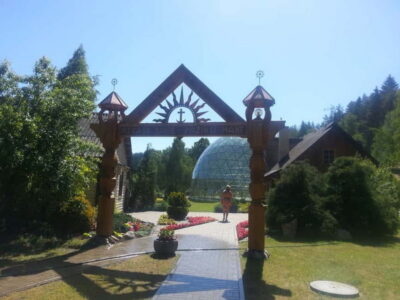
Dzukija National Park and Grutas Park: Full-Day Tour
Read our review →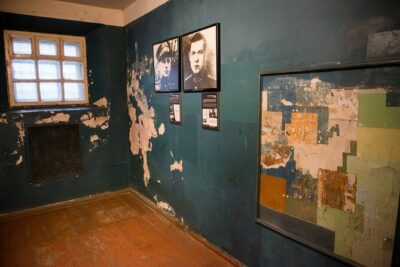
Guided Tour of KGB Museum in Vilnius (Museum of Occupation and Freedom Fights)
Read our review →
Private Half-Day Tour to Soviet Nudear Missle Base with Pickup
Read our review →Browse the lists this tour appears in