
Reviewed · SOVIET VILNIUS TOURS
The Way of Freedom: Behind the Walls of the KGB
One square, then a prison, then freedom. This 2-hour walk around Lukiškės connects Soviet power to Lithuania’s pushback in plain, human terms. I especially like how it mixes big landmarks with the KGB prison story, so you see history as something that happened right here.
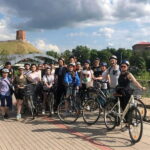
I also like the small-group feel, capped at 15 people, which helps your guide keep things clear even when the subject gets heavy. And with English offered and mobile tickets used, you can focus on the facts and the atmosphere, not logistics.
The main drawback is that you are dealing with occupation, repression, and arrests, so it can feel emotionally intense. If you prefer light sightseeing only, this one may feel like a weight.
In This Review
- Key highlights to look for
- Why Lukiškės in Vilnius hits hard
- Finding the tour: Lukiškės Square to Aukų g. 2A
- Stop 1: Lukiskes Square, Lenin-era Soviet symbolism gone
- Stop 2: Lukiškių Prison’s shifting identity, tsarist jail to KGB site
- Stop 3: The Lithuanian Seimas and the 1991 January Events
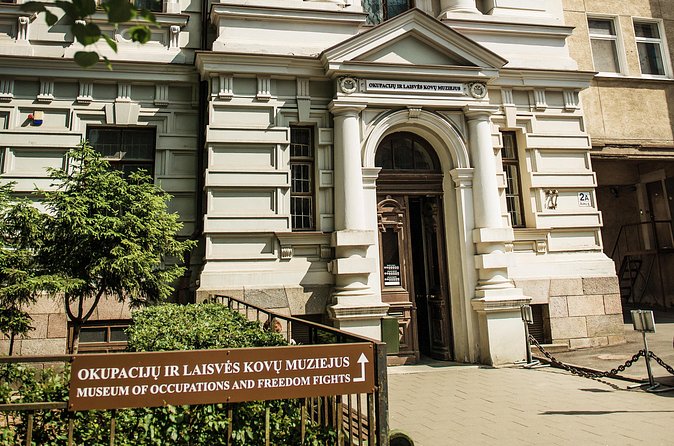
- Stop 4: Museum of Occupations and Freedom Struggles, about 1 hour inside
- Guides and pacing: easy English, firm facts, time to ask
- Price and value for a 2-hour KGB-themed experience
- Who should book this tour, and who might skip
- Should you book The Way of Freedom: Behind the Walls of the KGB?
- FAQ
- How long is the tour?
- How much does it cost?
- Is the tour available in English?
- Where does the tour start and end?
- How big is the group?
- Can I cancel for a full refund?
Key highlights to look for
- Small group (max 15), better questions, and a more careful pace.
- English-led guidance, including clear dates and impacts.
- Outside stops with context before you enter the museum.
- Lukiškės Prison history, from tsarist jail to later KGB holding site.
- Museum time included (about 1 hour), focused on occupation and resistance.
- Excellent guest feedback with a 4.6 rating and 93% recommending it.
Why Lukiškės in Vilnius hits hard
Vilnius has its fair share of monuments, but Lukiškės feels different. This area carries layers of power, from imperial-era detention to Soviet-era surveillance and imprisonment, and then the public story Lithuania chose after independence.
What makes this experience stand out is the way it links the setting to the nation’s choices. You are not just looking at a building or reading plaques. You’re walking through the spaces where control was exercised, and where the idea of freedom had to be defended.
You’ll also notice the contrast in how the city looks now. Some places were rebuilt, some repurposed, and some kept their moral gravity. That tension is exactly what the tour is aiming for.
More of the Soviet decades still standing:
- Regular walking tour of Soviet Vilnius
★ 5.0 · 259 reviews - Vilnius: Regular Walking Tour of Soviet Vilnius
★ 4.9 · 252 reviews - Vilnius: The Way of Freedom: Behind the Walls of the KGB
★ 4.8 · 86 reviews - Dzukija National Park and Grutas Park: Full-Day Tour
★ 4.4 · 18 reviews
Finding the tour: Lukiškės Square to Aukų g. 2A
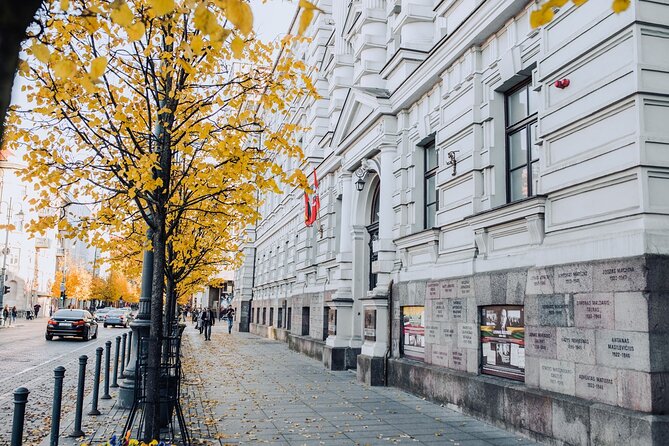
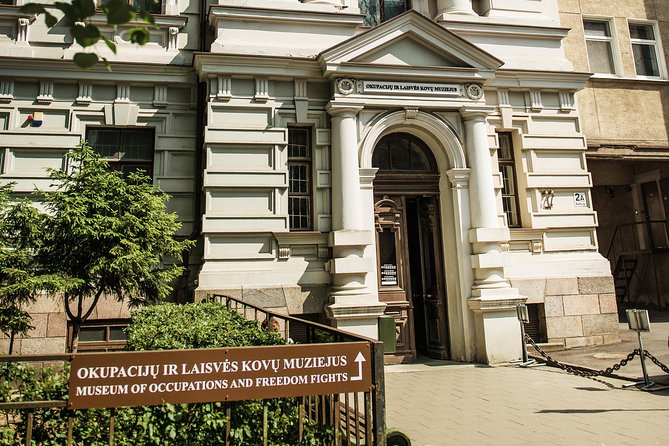
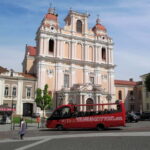
You start at Lukiškės Square on Gedimino pr. (address listed as 01108 Vilniaus m. sav.). From there, the route finishes at the Museum of Occupations and Freedom Fighters, Aukų g. 2A (01400 Vilnius).
It’s a straightforward, walk-and-pause style plan. The key thing is timing: you’re out for about 2 hours total, with shorter stops around 15 minutes each before the longer museum visit.
The tour runs in English and uses a mobile ticket. It’s also described as near public transportation, which matters in Vilnius where you might be juggling walking distance and tram or bus connections.
Stop 1: Lukiskes Square, Lenin-era Soviet symbolism gone
The first stop is Lukiskes Square, known as the square of Lenin during Soviet times. Today, the square has been reconstructed in a modern way, and there is no Lenin statue.
That matters more than it sounds. You’re seeing how a society reworks public space when it moves on from an imposed system. It also helps you mentally reset before you approach the prison story, because the square makes it clear that the past can stay in the ground even when the symbols disappear.
This is a quick stop, about 15 minutes, so keep your eye out for what feels changed and what feels stubbornly the same. That mix is a running theme of the whole walk.
Stop 2: Lukiškių Prison’s shifting identity, tsarist jail to KGB site
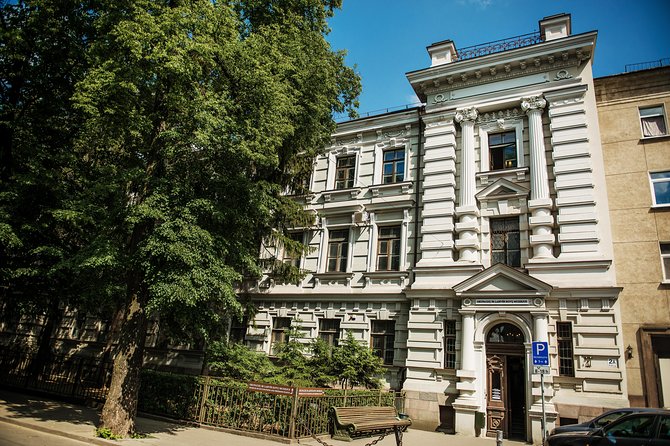
Next you pause outside Lukiškių Prison, a place with a name that changes with eras. It began as a tsarist jail, then later became a KGB holding site, and today it functions as a cultural space while still carrying the weight of history.
You’re not going inside the prison building at this stage. You’re getting grounded in what the site represents, and why those layers matter. This stop is also around 15 minutes, so you’ll want to listen closely to how your guide connects the building’s past to the Lithuanian experience under occupation.
This is where the tour’s tone becomes very real. Even standing outside, you start to understand how institutions can outlive their original purpose and still shape public memory.
If you’re bringing teenagers, this is often a good moment to ask one direct question: why would a state build places like this, and what would it expect from ordinary people.
Stop 3: The Lithuanian Seimas and the 1991 January Events
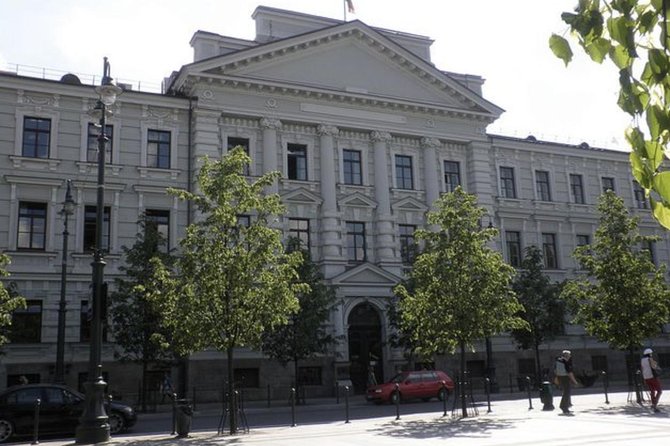
Then the route continues past the Seimas, the Lithuanian Parliament. The Seimas is framed as a symbol of restored independence, and the tour connects it to the nation’s defiant stand during the 1991 January Events.
This stop works like a bridge. The first part sets up repression and detention. The Seimas part shifts you toward resistance, legitimacy, and the idea that political voice is something people protect, sometimes at high personal cost.
Because this is another short stop (about 15 minutes), the goal is not a deep political lecture. It’s context you can carry into the museum, where you’ll see how those events fit into the broader occupation and freedom struggle.
More going on across Vilnius:
Stop 4: Museum of Occupations and Freedom Struggles, about 1 hour inside
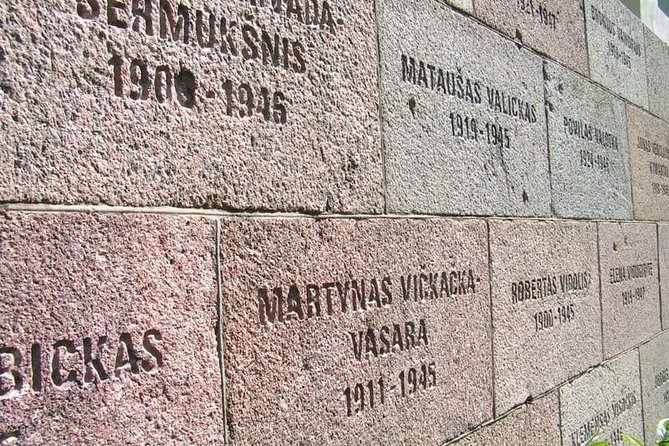
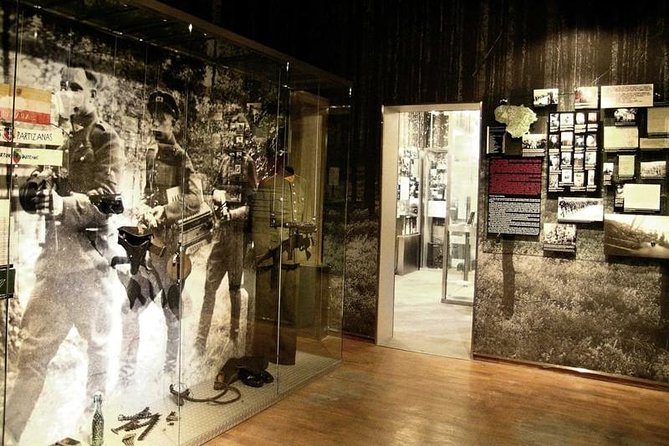
The tour’s main indoor segment is the Museum of Occupations and Freedom Struggles. Admission is included, and you get about an hour inside with a local guide.
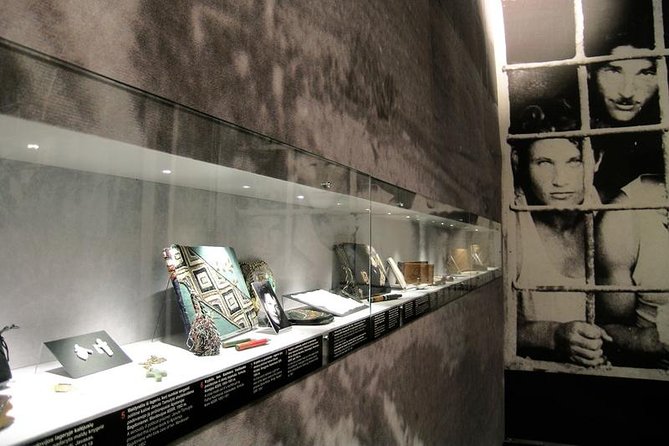
This museum is where the story turns from place-based context into evidence-based storytelling. You’ll find information about the difficult reality after World War II during Soviet occupation, including the losses and the limited choices people faced.
In practical terms, an hour is enough time to leave with a stronger grasp, without you feeling like you’re stuck in a marathon. The guide’s role is huge here, especially when topics are complex. The museum can be emotionally heavy, so having someone explain the thread helps you keep your footing.
From the tone of guides on this route, expect a human approach to the material. Guides named Thomas and Domas stand out in the feedback for being easy to follow in English, clear with dates and impacts, and not rushing. If you do ask questions, this is the place to do it, because museum time is where those answers matter most.
Guides and pacing: easy English, firm facts, time to ask
A big reason this tour rates so well is the way the guide handles tough material. Some guides, including Thomas and Domas, are described as clear and organized, with English that stays understandable when the timeline gets complicated.
You’ll also see repeated praise for not rushing. In a subject like occupation history, speed can cheapen the meaning. A calmer pace helps you absorb details and gives you space to process what you’re learning.
What should you do as the participant? I’d come with one goal question. For example: What did Lithuania lose under occupation, and how did people resist in real life, not just slogans? That way, the museum content clicks into place.
Price and value for a 2-hour KGB-themed experience
At $42.10 per person for about 2 hours, the price is best understood as a mix of walking context plus a guided museum visit. Three stops are marked as free admissions, and the museum entry is included in the experience.
So you’re not paying for a single room only. You’re paying for a structured route that frames the museum. That matters because museums about occupation and repression can feel like information overload if you show up cold. This tour helps you arrive already oriented to why the site and the surrounding landmarks mattered.
Also, with a maximum group size of 15, you’re less likely to feel like you’re fighting for attention. A guided hour inside the museum plus guided context outside can be a strong value in a city where standalone museum tickets can add up quickly.
And with booking typically happening about 29 days in advance on average, I’d plan ahead if you want a seat on a specific day.
Who should book this tour, and who might skip
This is ideal for you if you want history that feels close to the street. If you like learning by walking through real places, and you want a guide to connect Soviet-era and independence-era events, this tour fits well.
It’s also a good match if you’re traveling with teens who can handle serious topics. The reviews you’ll find for this tour often point out that young people learn best when the guide explains clearly and invites questions.
Skip it if you prefer relaxing, low-emotion sightseeing. Even if the pacing is controlled, the content is about occupation and repression, and you should go in with that expectation.
Should you book The Way of Freedom: Behind the Walls of the KGB?
Book it if you want more than a museum ticket. This tour gives you a story spine, starting at Lukiškės Square, moving outside the prison site, continuing past the Seimas, and ending at the Museum of Occupations and Freedom Fighters.
I think it’s especially worth it when you want English guidance that stays clear through dates and cause-and-effect. The repeated praise for guides like Thomas and Domas, plus the unhurried approach, is a strong sign that you won’t be rushed through something important.
Book something else if you’re looking for light entertainment or you dislike topics related to political repression. You can still visit the museum independently, but this route is built to make the museum land with more meaning.
If you’re unsure, make your call based on one thing: do you want Vilnius’s modern landscape to make sense through the people who survived what happened here?
FAQ
How long is the tour?
The tour runs for about 2 hours.
How much does it cost?
The price is $42.10 per person.
Is the tour available in English?
Yes, the experience is offered in English.
Where does the tour start and end?
It starts at Lukiškės Square on Gedimino pr., Vilnius, and ends at the Museum of Occupations and Freedom Fighters, Aukų g. 2A, 01400 Vilnius.
How big is the group?
The maximum group size is 15 travelers.
Can I cancel for a full refund?
Yes, you can cancel for free up to 24 hours in advance for a full refund. If you cancel less than 24 hours before the start time, the amount paid is not refunded.
The newest Vilnius listings
- Premium Lithuanian Craft Beer Degustation★ 5.0 · 1 review
- Vilnius History and Hidden Gems Self Guided Walking Tour★ 5.0 · 1 review
- Private day tour from Vilnius to goat Cheese farm and Kernave historical capital★ 5.0 · 1 review
- Hot Air Balloon Ride in Nemencine★ 5.0 · 1 review
- From Vilnius: Private Day Tour to Wolfs Liar (Hitler’s bunker)★ 5.0 · 1 review
- Explore Vilnius in 60 minutes with a Local★ 5.0 · 1 review
- From Vilnius: Private Tour to Curonian Spit national park★ 5.0 · 1 review
- Explore Vilnius’ Art and Culture with a Local★ 5.0 · 1 review
Soviet Vilnius Tours, compared.
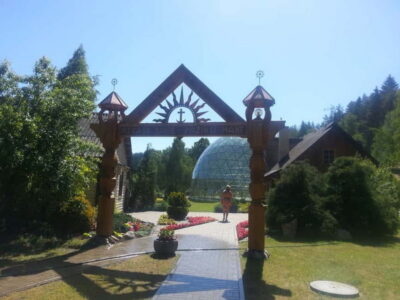
Dzukija National Park and Grutas Park: Full-Day Tour
Read our review →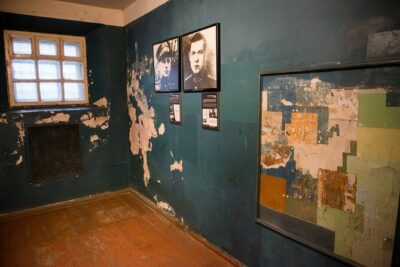
Guided Tour of KGB Museum in Vilnius (Museum of Occupation and Freedom Fights)
Read our review →
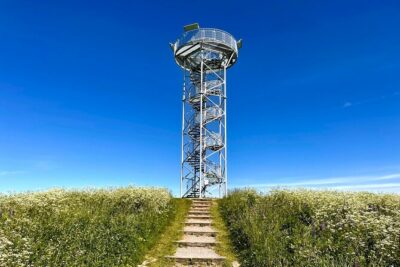
Private Half-Day Tour to Soviet Nudear Missle Base with Pickup
Read our review →
South Lithuania Day Trip: Dzukija County and Grutas Park from Vilnius
Read our review →Browse the lists this tour appears in