
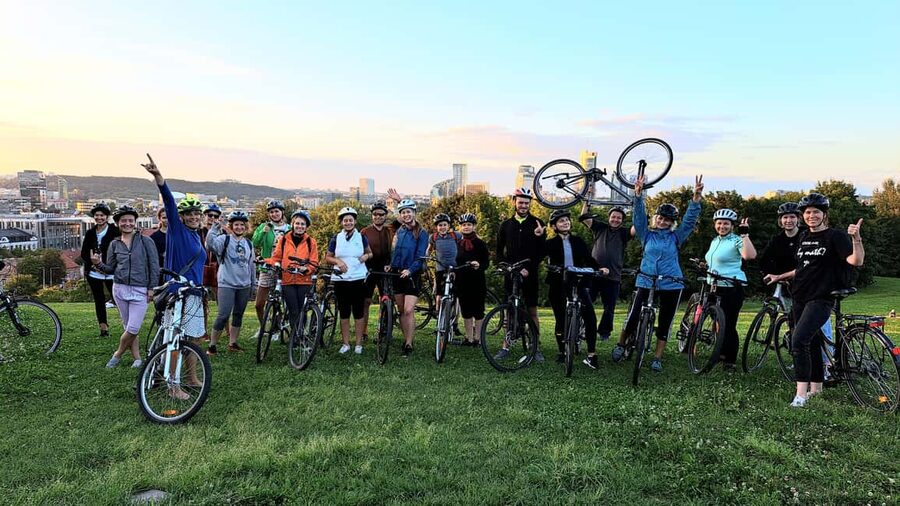
Reviewed · SOVIET VILNIUS TOURS
Vilnius: Private Soviet Vilnius Bike Tour
Soviet Vilnius changes pace on two wheels. This private, English-guided bike ride takes you past Soviet-era landmarks and into everyday places where the occupation left marks, from architecture to real-life details you can ask about.
I love the 14 km distance, which feels like a true circuit without becoming a day-long grind. I also love how the guide ties stops like the park around the Vilnius Wedding Palace and the urban art area to what daily life under communism meant.
One consideration: you should ride comfortably, because you’ll be on streets with uneven surfaces and an old-feeling neighborhood vibe, and it is not a good fit if you have back problems or are pregnant.
In This Review
- Key highlights worth planning around
- A 3-hour Soviet Vilnius route that goes beyond the Old Town
- Start at Velotakas, then roll into Soviet-era Vilnius
- Snipiskes, the Wedding Palace park, and how the past got overwritten
- From the Elfa factory to an outdoor art gallery of murals and installations
- Hales Market (1906) and the architecture of commerce
- The Great Synagogue site and what excavations reveal
- Soviet modernist buildings, original features, and street-level texture
- Lithuanian resistance stories, from guerrilla wars to KGB pressure
- Price, time, and the real value of a private guided ride
- Who should book this Soviet Vilnius bike tour
- Should you book? My honest take
- FAQ
- How long is the Vilnius private Soviet bike tour?
- What total distance do you cover?
- Where does the tour start and end?
- Is this a private tour or a shared group?
- What language is the live guide?
- What is included in the price?
- Is food included during the tour?
- Do I need hotel pickup or drop-off?
- What should I bring?
- What if I need to cancel, or I want to pay later?
Key highlights worth planning around
- A private 3-hour ride with an English-speaking local guide, so questions are welcome
- Soviet modernist architecture and practical design details you can spot up close
- Snipiskes and the Wedding Palace park, where Soviet changes erased older layers
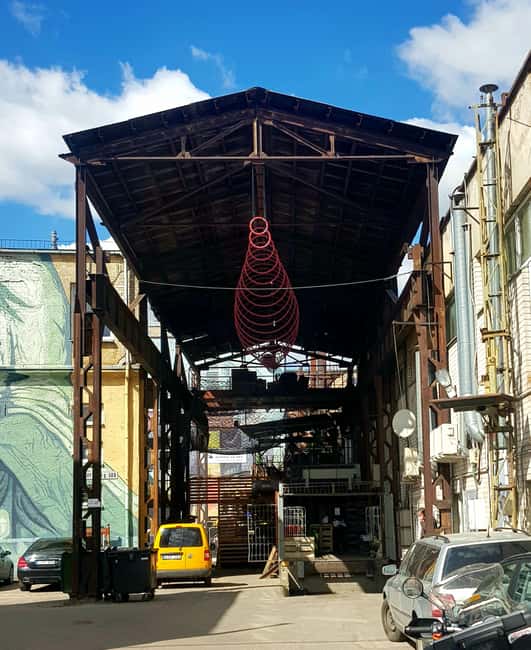
- Murals and installations in the Elfa factory area, art in a post-industrial setting
- Hales Market (1906), with a structure inspired by the Eiffel Tower
- Resistance stories, from guerrilla wars to KGB repression and intimidation
A 3-hour Soviet Vilnius route that goes beyond the Old Town
Vilnius is good at surprises. This bike tour is one of the best ways to see that, because you do not just look at Soviet buildings, you also ride through the neighborhoods shaped by those policies and the people who pushed back.
In a short time, you get a timeline in motion. The ride moves from symbolic places like former cemeteries and synagogue sites, to everyday urban corners like markets, art spaces, and streets that still feel different from the planned city blocks.
And because it is private, the pacing feels flexible. If you want a few extra minutes to take photos or ask why a specific building looks the way it does, the guide can usually work with that.
More of the Soviet decades still standing:
- Regular walking tour of Soviet Vilnius
★ 5.0 · 259 reviews - Vilnius: Regular Walking Tour of Soviet Vilnius
★ 4.9 · 252 reviews - Vilnius: The Way of Freedom: Behind the Walls of the KGB
★ 4.8 · 86 reviews - Dzukija National Park and Grutas Park: Full-Day Tour
★ 4.4 · 18 reviews
Start at Velotakas, then roll into Soviet-era Vilnius
The tour begins at Velotakas Bike & Tours Vilnius. Bikes, a helmet, and bottled water are included, which is exactly what you want for an active tour that stays social but organized.
Once you’re rolling, the smart part is that you’re not only checking boxes. You’re seeing how Soviet influence shows up in real city form: the proportions of buildings, the look of public spaces, and the way some older places were reshaped or erased.
Practical note: the ride is 3 hours and totals about 14 km. You should come ready to pedal steadily, not wander at a walking pace for long stretches. Comfortable clothes matter, and so do comfortable shoes, since you’ll be on and off the bike for stops.
Snipiskes, the Wedding Palace park, and how the past got overwritten
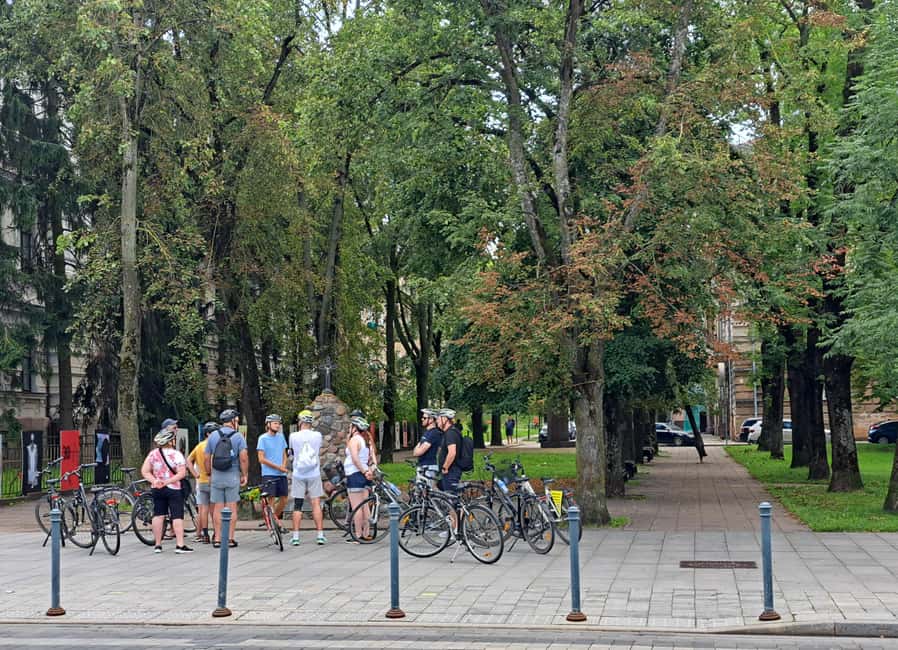
One of the most moving parts is the time spent around the park that surrounds the Vilnius Wedding Palace. The area traces back to a former Evangelical Lutheran cemetery, and Soviet rule reshaped it so much that a lot of the earlier story was effectively covered over.
This is where the tour becomes more than architecture spotting. You learn how regimes do cultural editing: not always with one dramatic act, but by changing land use, repurposing spaces, and breaking continuity with what was there before.
You also get a sense of why visiting a place like this matters. A park can look peaceful on the surface, while its history includes loss, displacement, and a new official narrative. If you’re the type of person who likes context as much as views, this stop will stick with you.
What to watch for: take a moment to look at the layout of the park and how the Wedding Palace setting fits into the space. The guide’s framing helps you read the physical environment like a document.
From the Elfa factory to an outdoor art gallery of murals and installations
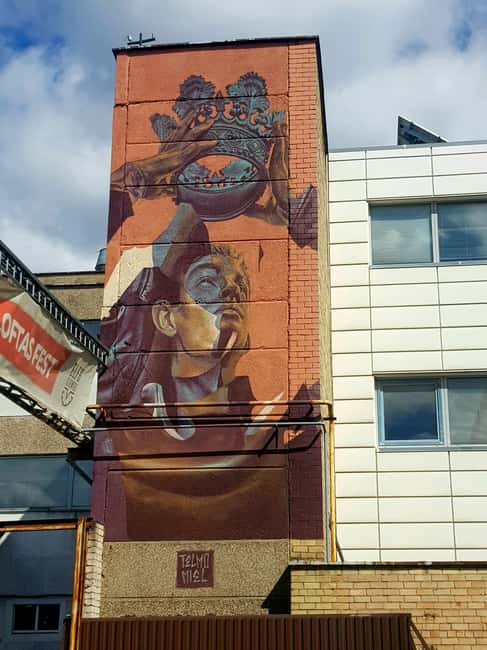
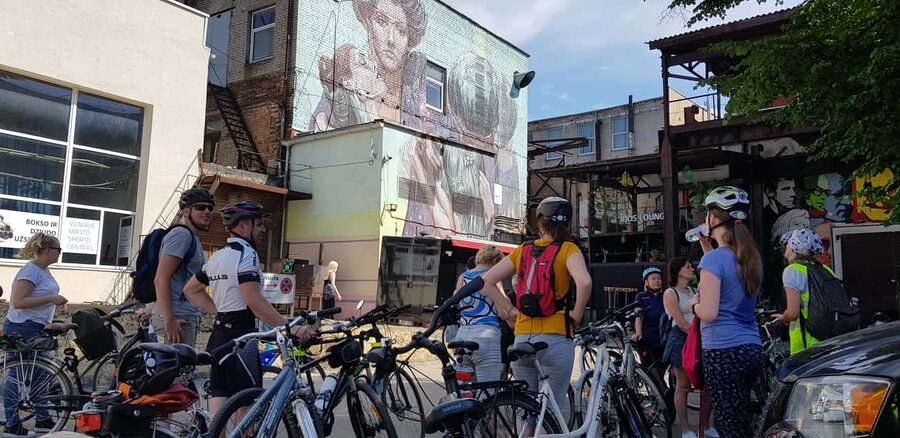
After the heavier historical stops, the tour shifts gears into a more creative side of Vilnius. You ride into a post-industrial area centered around the former Elfa factory and visit an outdoor gallery that blends murals, sculptures, and installations.
This is not just street art for decoration. It’s a sign of how a city reclaims space after industry declines and after older political eras pass. You’ll see how artists use walls, objects, and public corners to create meaning where the past used to be dominated by other priorities.
One reason I like this part is balance. The Soviet-era story is real, but you also get to see what comes after. You get to watch the city turn hard edges into expression, and you get a different kind of “architecture” to look at, built from paint and form rather than only stone.
If you like photos, bring your camera and don’t rush. The lighting in outdoor art areas can be great, and the guide’s commentary helps you notice details that you’d probably miss on your own.
Hales Market (1906) and the architecture of commerce
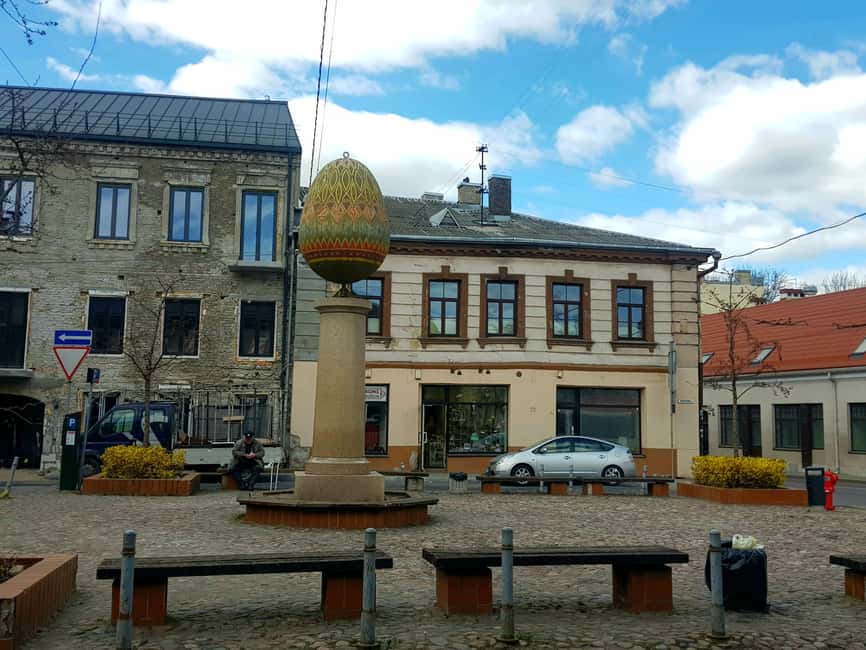
Next up is Vilnius’ oldest market, Hales Market. The structure is designed in 1906 and inspired by the Eiffel Tower, which makes it one of those rare places where commerce and design history overlap.
This stop adds another layer to your Soviet understanding, even though the building’s style predates the communist period. Markets are about how people move, trade, gather, and survive. When regimes change, the economy and public life change too, and market architecture becomes a clue to those shifts.
I like that this tour doesn’t treat the Soviet era like a separate theme you only see in one neighborhood. It threads the story through different kinds of places, including this one where everyday life has long roots.
What to expect in your time here: you’ll have enough of a window to take in the structure and connect it to the city’s commercial past, not just snap one photo and move on.
More rides leaving Vilnius:
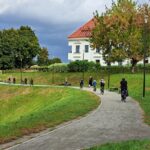
The Great Synagogue site and what excavations reveal
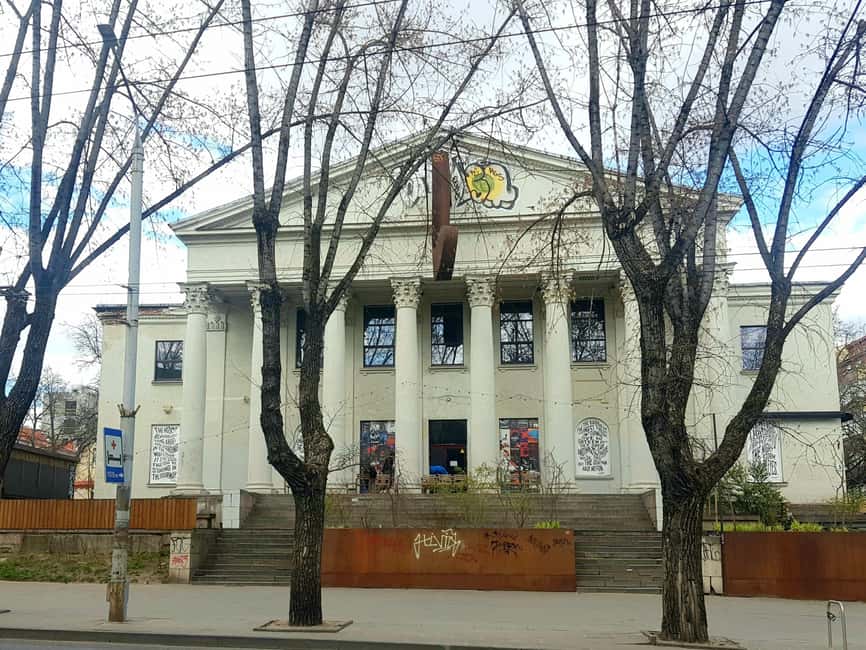
Then you’ll reach the site of the Great Synagogue of Vilnius. It once stood as a center of Jewish spiritual and cultural life, and today the area is undergoing archaeological excavations to uncover remnants of that storied past.
This stop is quieter, and it demands a different kind of attention. Excavation sites can feel abstract until someone gives you the context for why you’re looking at what’s being uncovered. The guide’s job here is important: turning a construction-style site into a real story about community, loss, and memory.
I appreciate that the tour includes this because it connects Soviet-era conversation to a wider history of displacement and survival in Vilnius. Even if your main theme is Soviet rule, you cannot fully understand a city without acknowledging the layers of tragedy and resilience that sit underneath.
Practical tip: wear shoes you’re comfortable standing in while you look around. Even though it’s a bike tour, some stops are more about standing and reading than pedaling.
Soviet modernist buildings, original features, and street-level texture
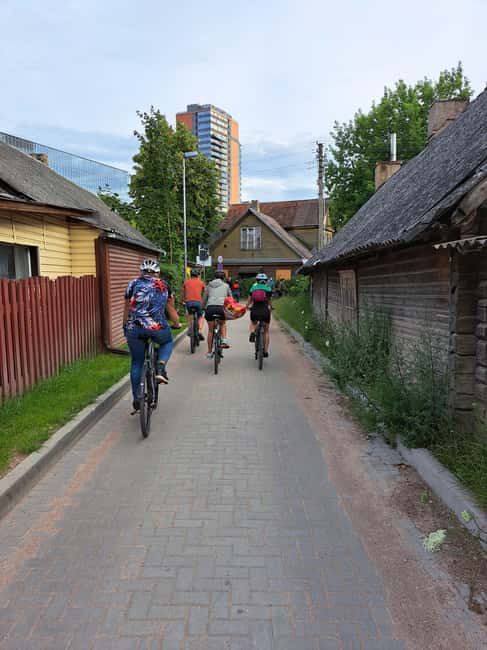
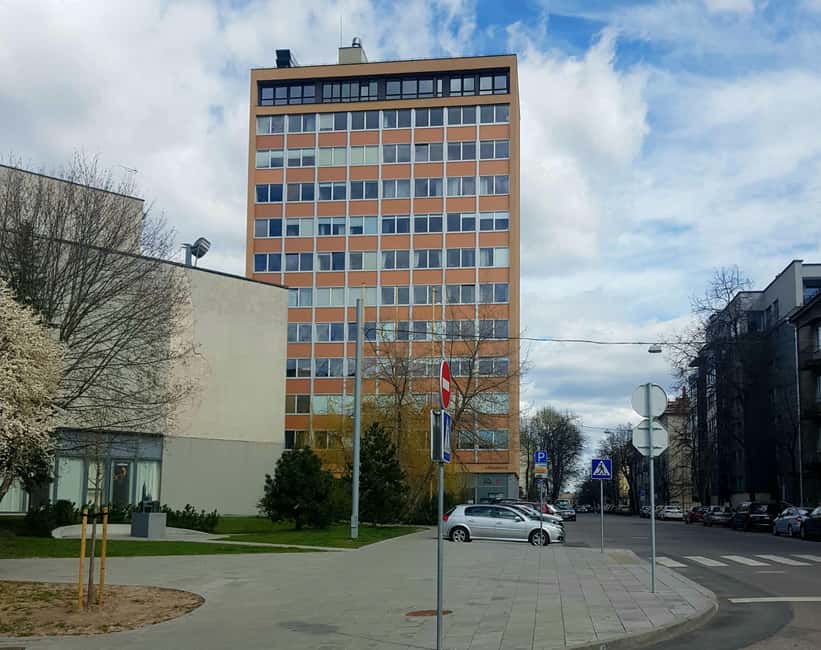
The tour also includes a Soviet modernist building that still retains original features. You’re meant to see more than the “look.” You’re meant to understand the logic behind the design, like how style and function were packaged together.
Modernist architecture can look cool in photos, but on the street you can read scale, material choices, and how the building sits in its surroundings. That’s why a bike tour helps. You cover enough ground to compare different environments, but you’re still close enough to notice details.
And then you’ll ride through what feels like a village inside a city. Wooden houses and unpaved streets give you a lived-in, older texture that was not shaped by Soviet urban planning in the same way as other districts.
This contrast is one of the most useful lessons of the day. Soviet influence was strong, but it did not erase everything. You can still find corners where time moved differently, and where everyday life kept its own rhythm.
Keep an eye out for where the street changes. Those small shifts tell you a lot about what was built, what was planned, and what simply survived.
Lithuanian resistance stories, from guerrilla wars to KGB pressure
One of the tour’s strongest elements is the historical thread about Lithuania’s resistance to Soviet occupation. You’ll hear about guerrilla wars and also about KGB repressive measures.
This is not the kind of topic you want to treat as trivia. The guide’s stories are designed to show how occupation worked in practice, including the fear and control mechanisms that went beyond official policy.
I like this section because it gives you a framework for interpreting what you see. Once you understand the pressure and consequences, a Soviet building or repurposed site starts to feel less like “just design” and more like part of a system.
If you tend to tune out during purely historical tours, try a different approach here. Pick one person or one era mentioned by the guide, and let it guide your questions as you ride to the next stop.
Price, time, and the real value of a private guided ride
The price is $81 per person for 3 hours, with a total distance of 14 km. On its face, that’s not the cheapest option in Vilnius. But it includes a professional local guide, bike rental, a helmet, and bottled water.
That combination matters. You’re not paying separately for equipment, and you’re not trying to piece together a DIY route that matches the Soviet theme and the specific places tied to occupation history. The guide is also the point, because the value is in the explanations and the connections between architecture and lived experience.
The private-group setup is another value driver. In practice, it means you’re less stuck with a rigid group pace, and you’re more likely to get answers to questions that come up while you’re standing right in front of the site.
If you’re traveling with friends or family and you want a focused topic tour that still feels human, this is a strong use of money.
If you are on a super tight budget, a self-guided route might look tempting. But you’d be paying with time and effort, and you’d miss the context that turns streets and buildings into meaning.
Who should book this Soviet Vilnius bike tour
This tour fits best if you want a guided history experience that still feels active and modern. You’ll get the most out of it if you like:
- seeing how politics shows up in city form
- asking questions and listening to local explanations
- combining architecture with real-world stories
- cycling 3 hours without needing a leisurely walking pace
It is not suitable for people who cannot ride a bike, and it’s also listed as not suitable for pregnant women and people with back problems. If any of those apply, you’ll likely be uncomfortable on the ride and the stops.
Should you book? My honest take
I think this is a smart booking for anyone who wants Vilnius beyond the postcard center. The mix of Soviet modernist architecture, Snipiskes and the Wedding Palace park story, Hales Market, and the Great Synagogue site makes the tour feel like a guided “map” of how history layers onto everyday space.
You should book if you want a professional local guide in English and you’re ready to pedal about 14 km in 3 hours. You’ll leave with clearer context for what you see in Vilnius, not just a list of locations.
Skip it if you want a light, mostly flat ride with no history intensity. The themes here include occupation and repression, and the guide treats that seriously.
FAQ
How long is the Vilnius private Soviet bike tour?
It lasts 3 hours.
What total distance do you cover?
The total distance is about 14 km.
Where does the tour start and end?
It starts and ends at Velotakas Bike & Tours Vilnius.
Is this a private tour or a shared group?
It is a private group.
What language is the live guide?
The live tour guide speaks English.
What is included in the price?
Included are a professional local guide, bicycle rental, a helmet, and bottled water.
Is food included during the tour?
No, food is not included.
Do I need hotel pickup or drop-off?
No, hotel pickup and drop-off are not included.
What should I bring?
Bring comfortable shoes and comfortable clothes, and a camera is recommended.
What if I need to cancel, or I want to pay later?
You can cancel up to 24 hours in advance for a full refund, and there is a reserve now & pay later option where you pay nothing today.
The newest Vilnius listings
- Premium Lithuanian Craft Beer Degustation★ 5.0 · 1 review
- Vilnius History and Hidden Gems Self Guided Walking Tour★ 5.0 · 1 review
- Private day tour from Vilnius to goat Cheese farm and Kernave historical capital★ 5.0 · 1 review
- Hot Air Balloon Ride in Nemencine★ 5.0 · 1 review
- From Vilnius: Private Day Tour to Wolfs Liar (Hitler’s bunker)★ 5.0 · 1 review
- Explore Vilnius in 60 minutes with a Local★ 5.0 · 1 review
- From Vilnius: Private Tour to Curonian Spit national park★ 5.0 · 1 review
- Explore Vilnius’ Art and Culture with a Local★ 5.0 · 1 review
Soviet Vilnius Tours, compared.
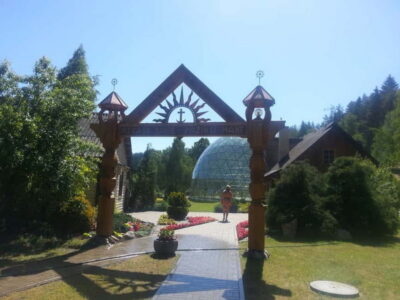
Dzukija National Park and Grutas Park: Full-Day Tour
Read our review →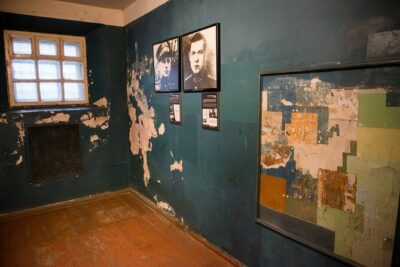
Guided Tour of KGB Museum in Vilnius (Museum of Occupation and Freedom Fights)
Read our review →
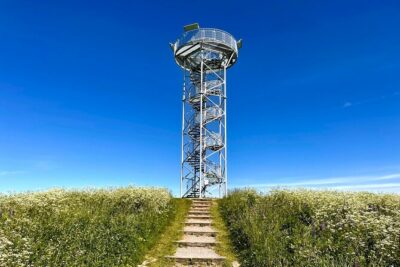
Private Half-Day Tour to Soviet Nudear Missle Base with Pickup
Read our review →
South Lithuania Day Trip: Dzukija County and Grutas Park from Vilnius
Read our review →Browse the lists this tour appears in