
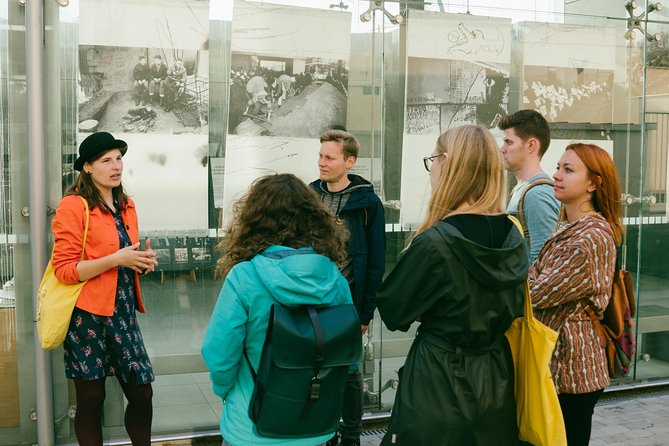
Reviewed · SOVIET VILNIUS TOURS
Regular walking tour of Soviet Vilnius
Soviet Vilnius gets personal fast. This walking tour threads together architecture, public life, and the stories behind major sites like the former KGB headquarters and Soviet-era squares. I really liked the way the guide pulls in big events and everyday routines, and I also loved the targeted stops for iconic buildings and streets, with guides such as Tadas and Ieva frequently mentioned for making it click. The main thing to consider is that it is a lot of walking, so you will want comfortable shoes and a plan for cold weather.
You start in Cathedral Square, at the Monument to Grand Duke Gediminas, and then you move through Old Town and beyond as the Soviet-era city takes shape around you. Along the way, you pass landmarks tied to fear, propaganda, and control, then you connect those dots to Lithuania’s independence story, including how basketball mattered. One caution from experience with this kind of tour format: if you are expecting an inside museum visit at the KGB site, this tour is built around walking and seeing exterior locations and learning stories in context, not a guaranteed museum entry.
If you want a guided way to understand how Vilnius changed during Soviet rule and how Lithuanians pushed back, this is a solid value at $24.20 for about 2.5 to just under 3 hours with a small group cap. Most people leave with a clearer sense of the city’s late-20th-century timeline, and the near-constant motion keeps the tour from feeling like a history lecture. Just pace yourself, because the schedule is tight and the walking adds up.
In This Review
- Key highlights worth planning for
- Start in Cathedral Square, then build your Vilnius map the fast way
- Green Bridge and the end of Soviet propaganda sculptures
- Lukiškiu Square, the Planetarium, and the Soviet city plan in motion
- Former KGB headquarters area: spy stories and the January 1991 context
- Soviet-era culture buildings: Palace of Concerts and Sport, Opera, and more
- Pace, comfort, and what to bring for this long, cold-weather-friendly walk
- How the tour connects Soviet control to Lithuanian identity
- Who should book this Soviet Vilnius walk?
- Should you book this tour?
- FAQ
- Where does the tour start?
- How long is the walking tour?
- What is the price per person?
- Is the tour in English?
- Is there a lot of walking?
- What happens if the weather is bad?
- Does the tour include admission tickets?
- Can I cancel for a full refund?
Key highlights worth planning for
- Meeting at Gediminas Monument in Cathedral Square and finishing at Kudirkos Square, an easy walk back toward the center
- Soviet propaganda on Green Bridge history, including what changed after summer 2015
- KGB headquarters area storytelling with spy tales and Vilnius links to major late-Soviet events like January 1991
- Iconic Soviet-era buildings on the route, including the Palace of Concerts and Sport, Opera and Ballet Theatre, and the House of Scientists
- Small group size (max 30) that helps a guide manage questions in an active walking format
- Guides with strong local perspective, with names like Tadas, Vilius, Ieva, and Indrė showing up often in standout feedback
Start in Cathedral Square, then build your Vilnius map the fast way
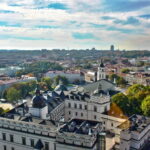
You meet your guide in front of the Gediminas Monument in Cathedral Square, right in Vilnius Old Town. From the first minutes, you are not just hearing history, you are placing it on the ground. That matters because Soviet Vilnius is not one building, it is an entire street-level system of power, culture, and everyday constraints.
Two things I like about the meeting style here. First, you get a clean orientation right away, so your later sightseeing feels less like wandering. Second, the tour keeps moving through key areas, so you learn what each district functioned as during Soviet times, not just what it looks like today.
If you are sensitive to cold or wind, plan for it. The tour runs in all weather, and it is a walking-heavy route, so dress like you expect to be outside the whole time, because you will.
More of the Soviet decades still standing:
- Vilnius: Regular Walking Tour of Soviet Vilnius
★ 4.9 · 252 reviews - Vilnius: The Way of Freedom: Behind the Walls of the KGB
★ 4.8 · 86 reviews - Dzukija National Park and Grutas Park: Full-Day Tour
★ 4.4 · 18 reviews - Guided Tour of KGB Museum in Vilnius (Museum of Occupation and Freedom Fights)
★ 5.0 · 14 reviews
Green Bridge and the end of Soviet propaganda sculptures
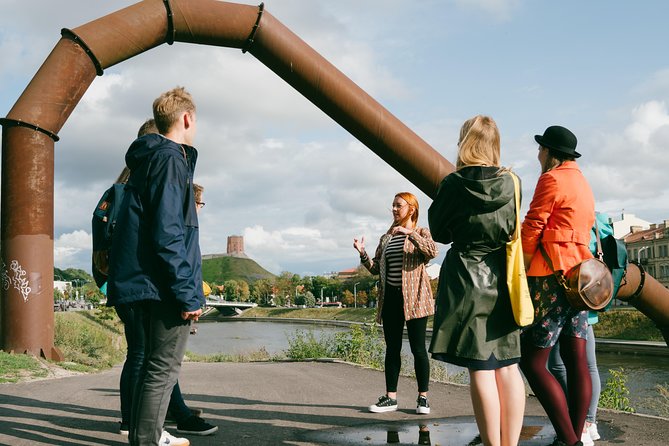
One of the most memorable stops is the Green Bridge (Zaliasis Tiltas). Until summer 2015, you could find Soviet propaganda sculptures on this bridge, and the tour gives you the story of what happened and where they went afterward. Even if you already know Soviet propaganda was common, this is the kind of specific, local change that makes history feel real.
Why this stop works so well is the contrast. You stand on a familiar walking bridge and learn how visible symbols can disappear, then you see how that affects the way people interpret the city. It is also a good moment for photos, because the bridge is easy to locate and it breaks up the heavier political themes.
The only drawback is timing. That stop is brief, so if you want lingering photos or extra time on the bridge, you may want to do it again on your own after the tour.
Lukiškiu Square, the Planetarium, and the Soviet city plan in motion
After the early Old Town landmarks, the route pushes into Soviet-era Vilnius development, with stops along the way that help you understand how the city functioned under USSR rule. Expect a walk that includes places like Planetarium and Lukiškiu Square, with your guide connecting the architecture to the social mood of the time.
Lukiškiu Square comes up often in Soviet-era conversations because big public spaces were where the state showed its seriousness. The value here is that you get context while walking, so you can mentally test the space: where crowds might have gathered, where messaging would have been seen, and why the design feels so purposeful.
Also, your guide ties in stories that go beyond buildings. The tour mentions how basketball played a role in Lithuania’s independence. That is a smart teaching angle because it reminds you that resistance and identity were not only political speeches. Sometimes they were cultural, athletic, and communal.
Former KGB headquarters area: spy stories and the January 1991 context
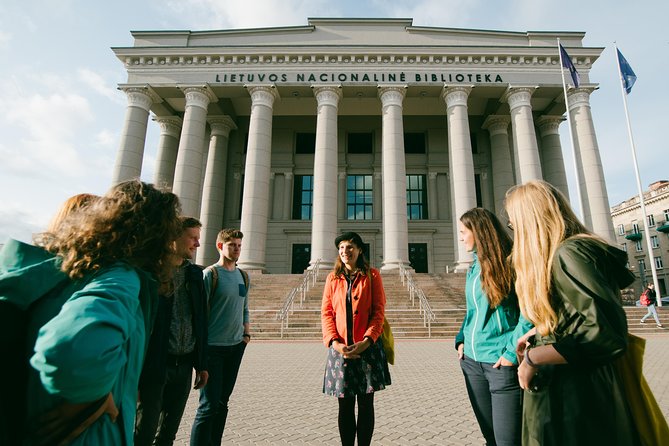
This is the part of the tour that draws people in. You pass the former KGB headquarters area and hear tales about KGB spies, plus how Lithuania and Vilnius were incorporated into the USSR. The tone is often serious, but the point is clarity: you are learning how fear and control worked, and how Vilnius fits into the bigger late-Soviet timeline.
The tour also highlights Soviet architecture and major events like January 1991. That timing matters. It helps you understand that Soviet rule was not some distant history chapter, it was a living, changing reality right up to independence.
One practical consideration: make sure your expectations match the format. Some people book this hoping to go into a KGB museum exhibit, but the plan here is centered on seeing the former KGB headquarters from the street and talking through the stories around it. If a museum entry is your top priority, you will likely want to add that separately after the walk.
Soviet-era culture buildings: Palace of Concerts and Sport, Opera, and more
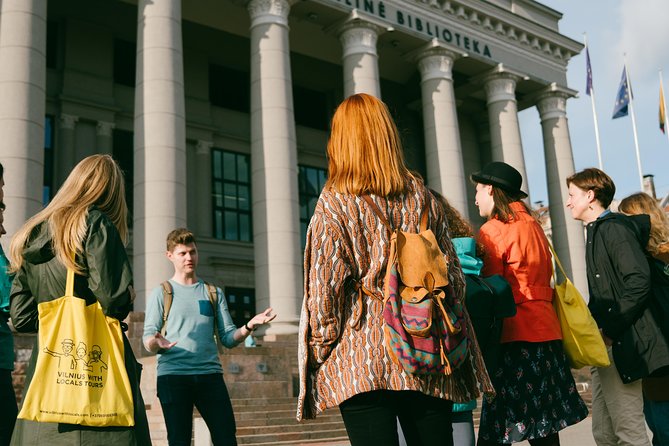
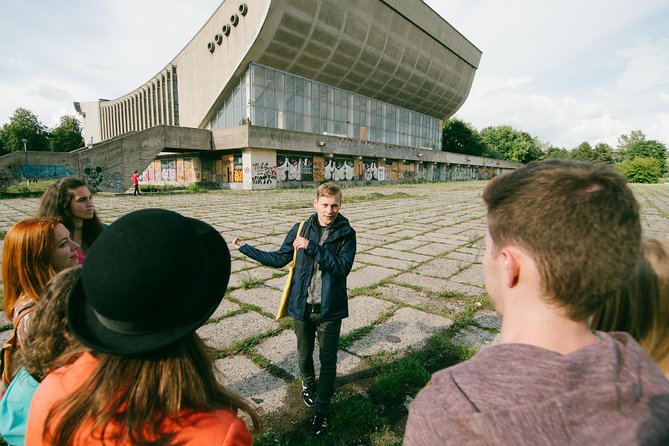
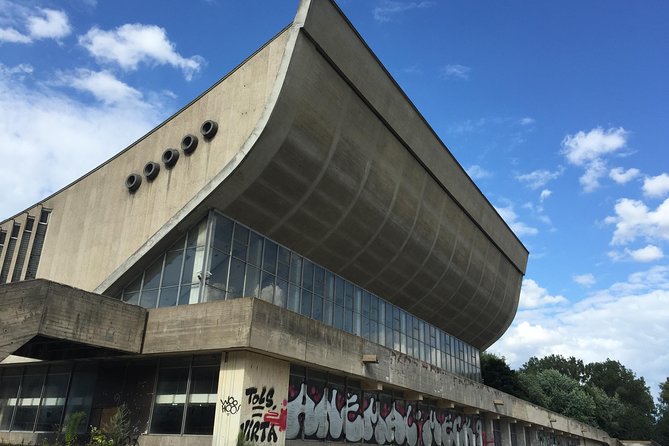
As the route continues, you see iconic Soviet-era buildings up close. Key stops include the former Palace of Concerts and Sport, the Opera and Ballet Theatre, and the House of Scientists. You also hear about how Soviet power shaped cultural life, not just politics.
This part is valuable because you stop treating Soviet architecture like a single style word, and start seeing it as part of the state’s cultural strategy. The Palace of Concerts and Sport, for example, represents a push toward mass entertainment and public gatherings. The Opera and Ballet Theatre shows how high culture and state support could overlap, even under strict systems.
I also like that you do not only focus on intimidation and control. Your guide balances it with how traditions and daily life were shaped, so the buildings become clues, not just photo stops.
A bonus note from past experiences: some guides have included an additional stop at Skalvija cinema, noted as unchanged since Soviet times. If it shows up in your group’s exact route, it is the kind of detail that turns Soviet history into something you can picture instantly.
More of Vilnius taken slowly on foot:
Pace, comfort, and what to bring for this long, cold-weather-friendly walk
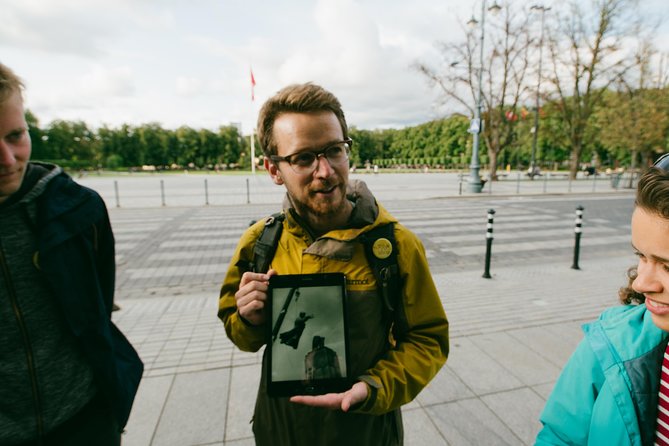
This tour typically runs about 2 hours 30 minutes to 2 hours 50 minutes, and there is lots of walking. Reviews are consistent here: it is not a sit-down, slow-meander tour. If you expect short breaks, you will be happier planning for continuous movement with a few stop points to listen.
For comfort, wear shoes you trust for uneven Old Town sidewalks. If you visit in colder months, bring layers, a hat, and a warm outer layer. One guide handled very cold weather well, but the tour still asks you to be outside, so being prepared makes a big difference in how much you enjoy the stories.
Group size is capped at 30 travelers. That is large enough to meet people, small enough that your guide can manage the flow, answer questions, and keep pace without losing the group.
How the tour connects Soviet control to Lithuanian identity
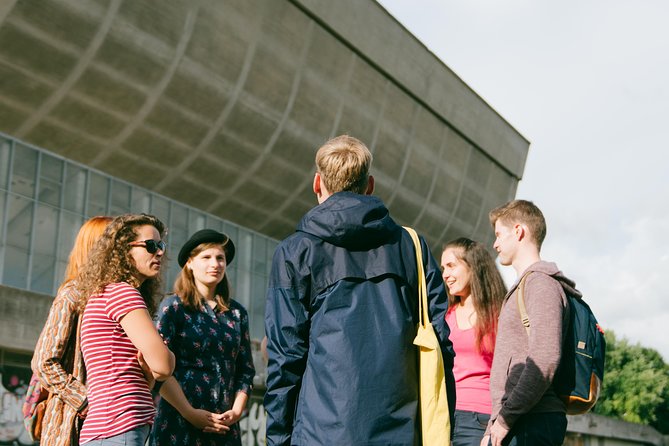
What makes this experience more than a checklist of Soviet buildings is how the stories are linked. You are not just hearing dates and names, you are being shown themes: incorporation into the USSR, the mechanics of control, propaganda in public spaces, and the path to independence.
The basketball thread is one example of how this works. When a guide connects sports to independence, you understand that identity survived in normal life. That is a more complete picture than only focusing on arrests, censorship, or espionage.
Likewise, the stops that feel visually dramatic, like the KGB headquarters area and Soviet squares, are balanced by attention to traditions and how people lived. Even if you already know the Cold War broadly, the city-walk format helps you place what you know onto the geography of Vilnius.
Who should book this Soviet Vilnius walk?
This is a great fit if you:
- Want a guided orientation to Soviet-era Vilnius with real landmarks
- Like history explained through walking routes and street-level context
- Prefer a small-group format in English with time for questions
- Enjoy serious topics when they are taught with clear, local interpretation
You might want to think twice if:
- You dislike long walks or get worn out easily in the cold
- You are specifically chasing an inside visit to a KGB museum exhibit, since this tour focuses on the former headquarters area and surrounding context
- You already know the topic deeply and need a very niche, deep specialist approach, because some people still feel the route is more about walking-and-story than about extra stops
Should you book this tour?
Yes, if you want a straightforward, high-impact way to understand Soviet Vilnius in about 2.5 hours. At $24.20, the value comes from the combination of a professional guide, a small group size, and a route that hits multiple landmark themes instead of only one or two buildings. The consistently strong ratings point to a common win: guides who can make the political story land in a real, street-level way.
Book it if this is your first time tackling Soviet history in Vilnius, or if you want to connect your later museum visits and self-guided wandering to a clear narrative. Just go in with the right mindset: this is a walking tour of ideas you can see, not a museum sprint.
FAQ
Where does the tour start?
It starts at the Monument to Grand Duke Gediminas in Cathedral Square, Old Town Vilnius.
How long is the walking tour?
Expect about 2 hours 30 minutes to 2 hours 50 minutes.
What is the price per person?
The price is $24.20 per person.
Is the tour in English?
Yes, it is offered in English.
Is there a lot of walking?
Yes. The tour is described as including lots of walking, and comfortable shoes are strongly recommended.
What happens if the weather is bad?
The tour operates in all weather conditions, so you should dress appropriately.
Does the tour include admission tickets?
A ticket is included for the main tour segment, and there are also free admission stops mentioned along the way.
Can I cancel for a full refund?
Yes, you can cancel up to 24 hours in advance for a full refund.
The newest Vilnius listings
- Premium Lithuanian Craft Beer Degustation★ 5.0 · 1 review
- Vilnius History and Hidden Gems Self Guided Walking Tour★ 5.0 · 1 review
- Private day tour from Vilnius to goat Cheese farm and Kernave historical capital★ 5.0 · 1 review
- Hot Air Balloon Ride in Nemencine★ 5.0 · 1 review
- From Vilnius: Private Day Tour to Wolfs Liar (Hitler’s bunker)★ 5.0 · 1 review
- Explore Vilnius in 60 minutes with a Local★ 5.0 · 1 review
- From Vilnius: Private Tour to Curonian Spit national park★ 5.0 · 1 review
- Explore Vilnius’ Art and Culture with a Local★ 5.0 · 1 review
Soviet Vilnius Tours, compared.
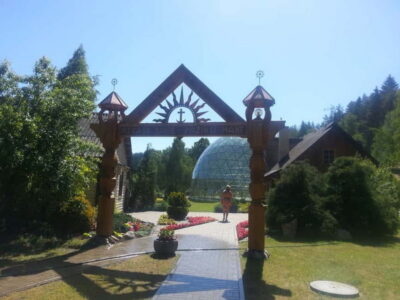
Dzukija National Park and Grutas Park: Full-Day Tour
Read our review →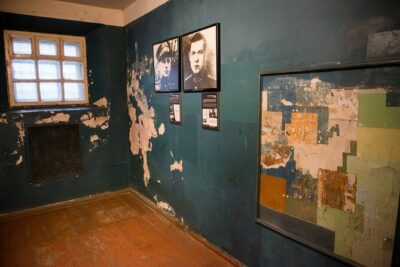
Guided Tour of KGB Museum in Vilnius (Museum of Occupation and Freedom Fights)
Read our review →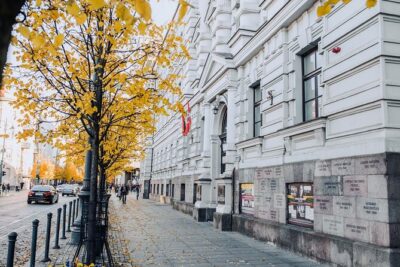
Private Half-Day Tour to Soviet Nudear Missle Base with Pickup
Read our review →
South Lithuania Day Trip: Dzukija County and Grutas Park from Vilnius
Read our review →Browse the lists this tour appears in