
Reviewed · CURONIAN SPIT TOURS
Nida: Bird-Watching Adventure in Nemunas Delta
A wind-and-waves bird trip in Lithuania. This short 3-hour outing blends Nemunas Delta nature with real bird science at Ventė Cape, including a chance to see birds being ringed.
I love that the tour is paced like a field outing, not a photo bus stop, with guided interpretation plus time to watch on your own.
The second thing I like is the range of sights you target in a tight loop, cormorants, herons, storks, and sometimes even a sea eagle. You also get dramatic water views from the Uostadvaris Lighthouse area, which helps your eyes find birds faster.
One possible drawback: this is a high-speed boat ride, and the water can feel bumpy if conditions are rough, so plan for seasickness if you are prone.
In This Review
- Key Things I’d Watch For on This Nida Birding Trip
- Why the Nemunas Delta Bird Tour Feels More Like Fieldwork Than Sightseeing
- The High-Speed Boat From Nida to the Delta, What to Expect on the Water
- What you can do to make the boat portion easier
- Ventė Cape Ornithological Station: Migration Routes and the Real Bird-Ringing Moment
- The advantage of an accredited, on-site approach
- Mingė Village, the “Venice of Lithuania” Pass and Why It Helps Your Spotting
- Uostadvaris Lighthouse Stop for Wetlands Views and Bird-Spotting Angles
- What Birds You Can Realistically Expect, From Cormorants to Sea Eagles
- The Guide Factor, Including Aegis and Interest-Based Tweaks
- How you can get more out of the guide in real time
- Price and Value: $412 Per Group Up to 8, Is It Worth It?
- Practical Tips Before You Go, Plus Comfort on the Water
- A quick checklist you can actually use
- Where You Start, How to Find the Operator, and What Your Schedule Looks Like
- Should You Book This Nida Bird-Watching Adventure?
- FAQ
- How long is the Nida bird-watching experience?
- Where do I meet in Nida?
- Is bird ringing guaranteed during the tour?
- What birds can I expect to see?
- Is pickup from Klaipėda included?
- Should I worry about seasickness on the boat?
Key Things I’d Watch For on This Nida Birding Trip
- Ventė Cape Ornithological Station focus, where bird migration routes and ringing are explained
- Cormorant colony viewing, one of the main wildlife “targets” in the Nemunas Delta
- Uostadvaris Lighthouse panoramas, a strong photography and spotting bonus
- Mingė Village pass, the Venice of Lithuania vibe that frames the wetlands and channels
- Bird ringing is possible but not guaranteed, timing and conditions matter
- A private group format, up to 8, which makes it easier to adjust to your interests
Why the Nemunas Delta Bird Tour Feels More Like Fieldwork Than Sightseeing
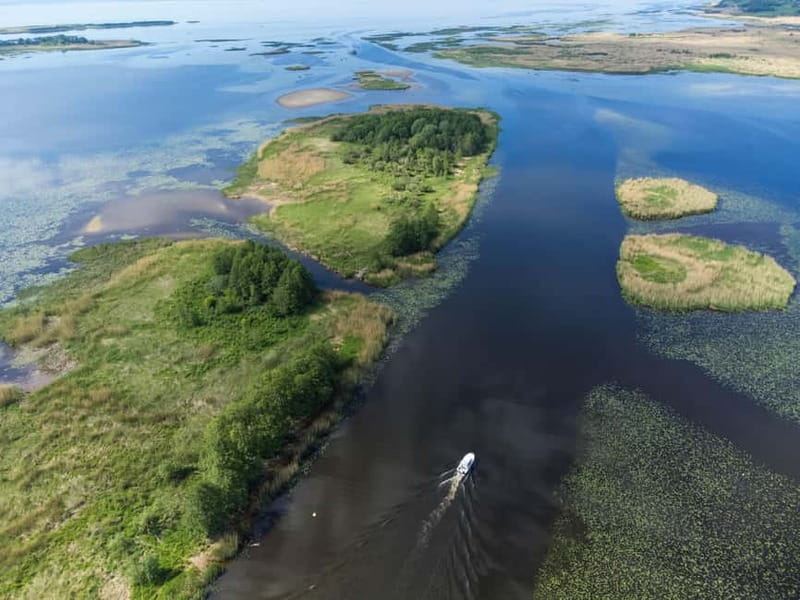
This trip is built around a simple idea: you will see more birds when you understand what you are looking at. The Nemunas Delta Regional Park is all water channels, reed edges, and seasonal movement, so a guide who knows migration patterns makes a real difference.
I also like that the experience is structured with short guided moments and then time to look. That mix helps you stop guessing. Once you know what migration routes the birds use and what behaviors to expect, spotting becomes less random and more like following clues.
And because the tour is private (group size up to 8), you are not stuck with a one-size-fits-all pace. You can lean into pure bird watching, or add a bit more curiosity about the places you pass along the way, depending on what you care about most.
More of the Spit, its dunes and its villages:
- Day group tour: Curonian Spit (Neringa) from Klaipeda (EN)
★ 4.9 · 78 reviews - From Klaipeda: Curonian Spit Full-Day Private Tour
★ 4.7 · 33 reviews - MIGHTY SANDS – Premium guided canoe tour at Curonian spit National Park
★ 5.0 · 26 reviews - Private Tour: Curonian spit (Neringa) from Klaipeda
★ 5.0 · 23 reviews
The High-Speed Boat From Nida to the Delta, What to Expect on the Water
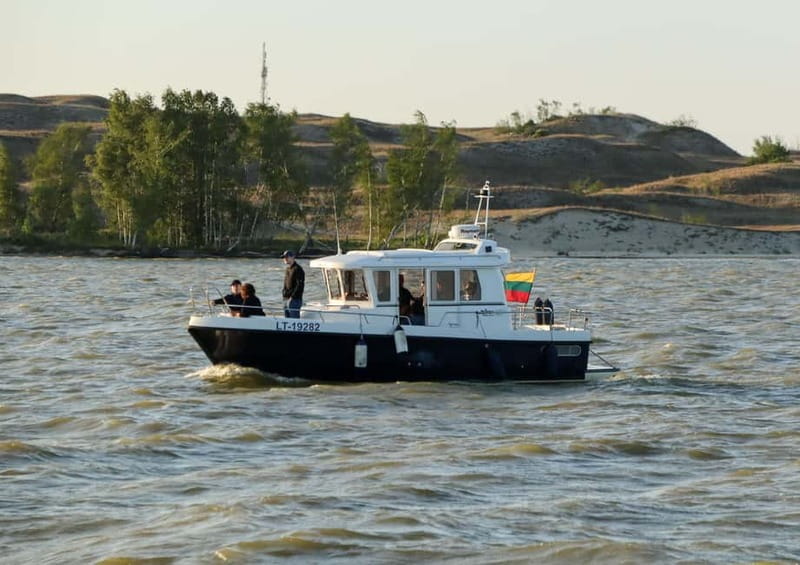
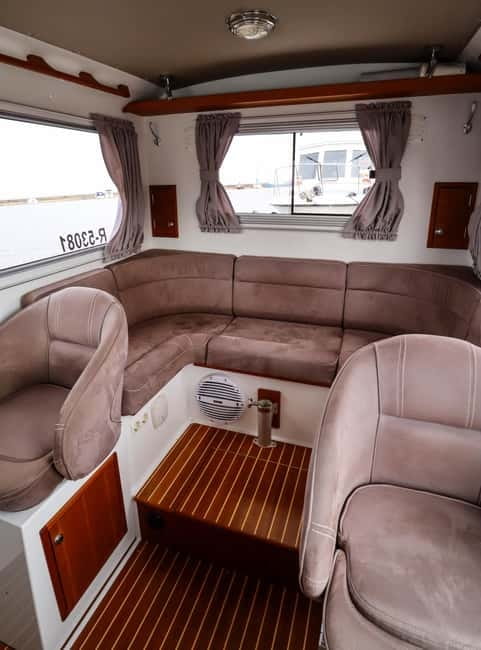
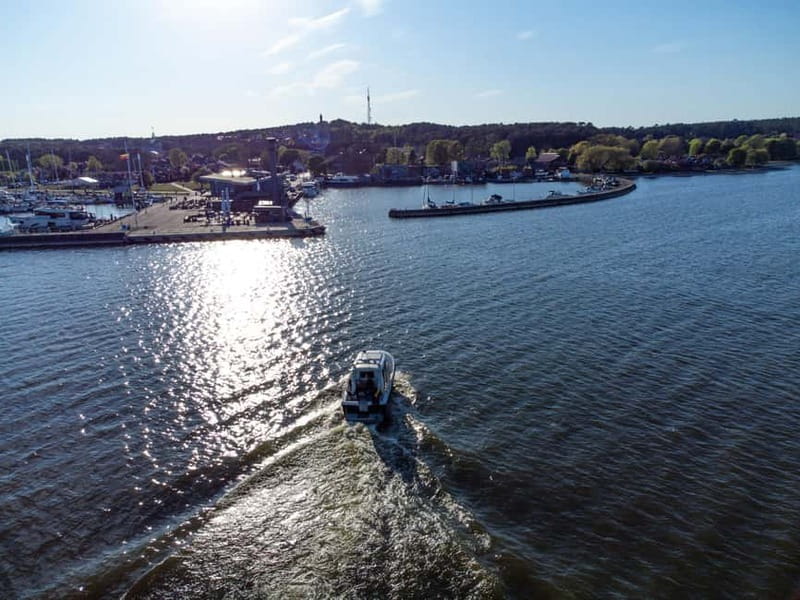
Your tour begins at Nidos uostas, the port area in Nida. From there, you take a high-speed boat across the Curonian Lagoon toward the Ventė Cape Ornithological Station area. This is the fastest way to reach the right bird habitat without spending hours on land.
The payoff is timing and access. Water is where birds feed, rest, and commute between breeding and wintering areas. When you move quickly across the lagoon, you save your daylight for the places where birds are most active.
The trade-off is comfort. One past experience noted that the boat ride over the lagoon can be “a bit rough” when the sea is unsettled. If you get motion sickness, this is the point to plan. Wear practical footwear for uneven boat areas and consider taking your usual seasickness precautions ahead of time.
What you can do to make the boat portion easier
- Dress for changing weather (wind chill can hit fast on open water)
- Keep a light layer you can remove if you overheat
- Bring binoculars so you can immediately start scanning once you settle
- If you are sensitive to motion, don’t “wait and see”
Ventė Cape Ornithological Station: Migration Routes and the Real Bird-Ringing Moment
The heart of the outing is the visit to Ventė Cape Ornithological Station. This is where the tour shifts from scenery to bird science. You will get an introduction to bird migration routes and the basics of bird ringing.
Why this matters for your birding: migration routes are not abstract trivia. They explain why certain species show up at certain times and why you might see one type of bird more than another on a given day. Once you understand that, your eyes look differently at the water and shoreline edges.
There is also an opportunity to see ringing work, depending on timing and conditions. That is important because it keeps expectations honest. You should treat ringing as a bonus, not a guaranteed “must-see show.”
The advantage of an accredited, on-site approach
When ringing is happening, you are watching a process tied to monitoring populations and migration patterns. Even if you do not see the ringing itself, the station visit is still useful because it gives you language for what you are seeing in the delta: movement, timing, and behavior.
More along the coast at Klaipeda:
Mingė Village, the “Venice of Lithuania” Pass and Why It Helps Your Spotting
On the route you pass Mingė Village, often described as the Venice of Lithuania because of its network of channels and riverside homes lined along the water. Even though you are not doing a long land visit here, the passing view does something valuable.
It helps you read the delta as a system. Birds do not treat human boundaries kindly. They use water connections, wetlands, and reed beds as corridors. Seeing how the villages sit within the water network gives your brain a faster map for where birds might be feeding or resting.
If you like photography, this is also a nice change of pace. After focusing on birds, you get a visual break that still keeps you connected to the same environment.
Uostadvaris Lighthouse Stop for Wetlands Views and Bird-Spotting Angles
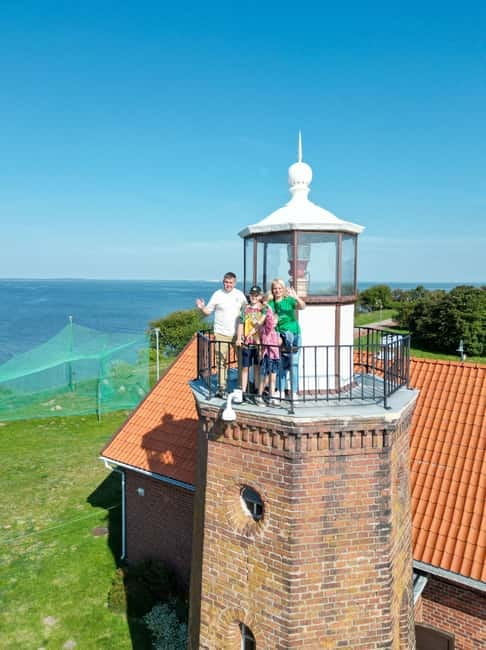
Another highlight is the visit to Uostadvaris Lighthouse, described as a gem of the Nemunas Delta. Here, the value is not just the lighthouse itself. It is the panoramic viewpoint over waterways and wetlands, which can dramatically improve your spotting.
From a higher vantage, you can scan more efficiently. Birds that look like moving dots from the water may become easier to track when you have a wider line of sight. This is also where your binoculars earn their keep.
The tour includes scenic time around the area, and you also have a self-guided window during the overall schedule. That is your chance to linger where your eyes and camera want to linger, instead of marching on a fixed script.
A practical note: bring a comfortable layer. Lighthouse areas can be breezy, and wind makes bird watching harder when you are trying to steady yourself for photos.
What Birds You Can Realistically Expect, From Cormorants to Sea Eagles
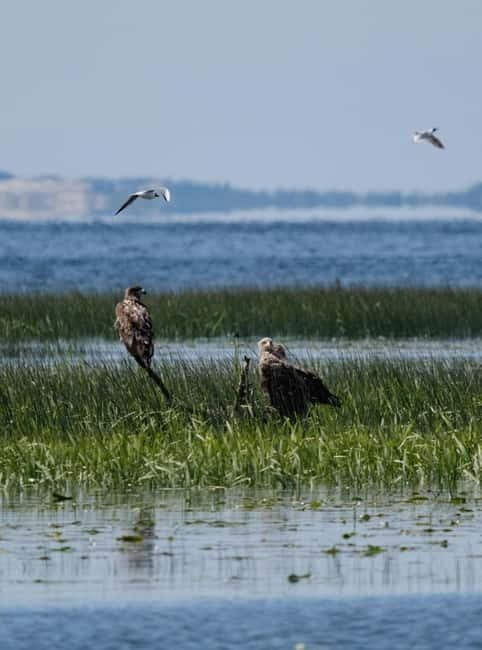
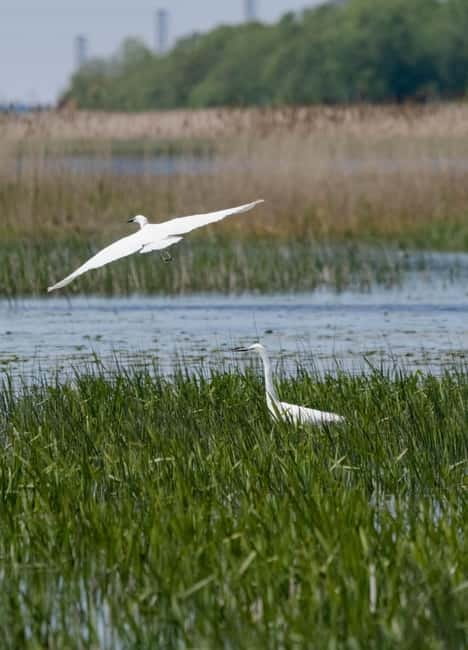
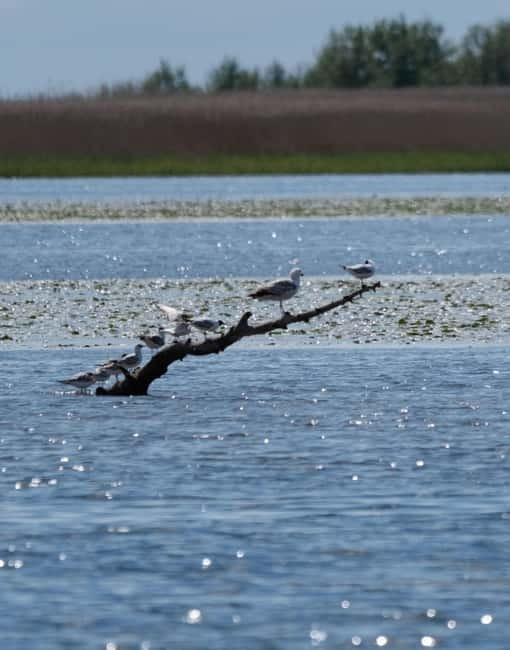
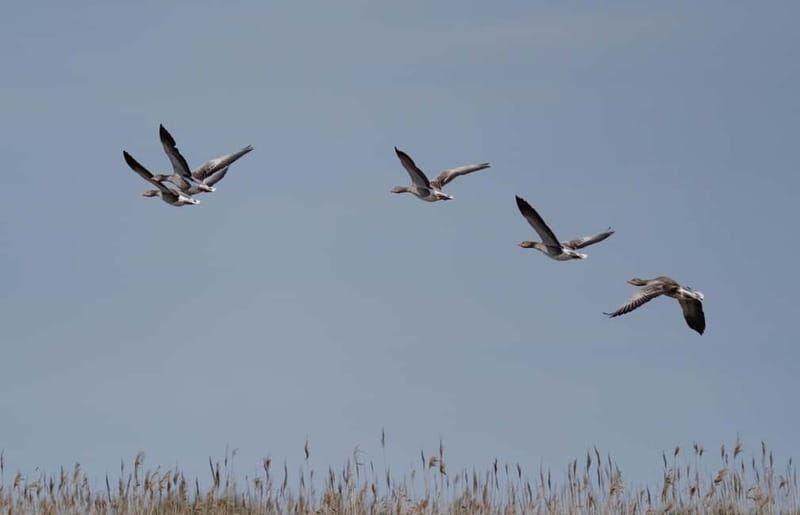
The Nemunas Delta birdlife is the reason you’re here. The tour specifically calls out a thriving cormorant colony, plus chances to observe herons and storks. Those three are strong “anchor targets” because they are often visible when you are watching water edges, feeding areas, and perching spots.
You should also keep an eye out for sea eagles, but the tour frames that as luck-based. That is the right approach. Eagles are not guaranteed on a short outing because they move and hunt across larger territories.
Here is how I suggest you manage your expectations without feeling disappointed:
- Look for what is likely today, not only what is “best-case”
- Use the guide’s pointers to focus on the right zones
- Be patient during quiet stretches, birds often show up when you stop searching frantically
A cormorant colony can be fascinating even if you are not a “hardcore birder.” Their group behavior, movement patterns, and where they choose to perch or swim are easy to watch once you know they are the main theme of the day.
The Guide Factor, Including Aegis and Interest-Based Tweaks
A tour is only as good as the guidance behind it. One of the strongest signals from past groups is that the guide made learning feel practical and the route felt adjustable.
In one example, Aegis was the guide and handled travel coordination for cruise-arrival timing. That matters because Nida and Klaipėda are connected by schedules, and a smooth handoff can make the difference between seeing the delta and missing the start.
Another past experience emphasized that the guide can tune the trip to specific interests and even add small comfort options, like a brief coffee pause or a short water moment, depending on the group’s preferences. That flexibility tends to create a better balance between birds, scenery, and comfort.
How you can get more out of the guide in real time
When you start scanning, ask your guide one simple question early, like what they expect to be active next. Then let them guide your focus, not just your general route.
If you tell the guide whether you care more about birds only or also the villages and lighthouse, it helps them decide how much time to spend on each theme.
Price and Value: $412 Per Group Up to 8, Is It Worth It?
The price is $412 per group, with a maximum group size of 8. That matters because it changes the math a lot depending on how many people book together.
If you split among:
- 8 people, it is about $51.50 each
- 4 people, it is about $103 each
- 2 people, it is about $206 each
So the value is best when you can fill the group. But even if you book as a smaller party, you are paying for more than a boat ride. You are paying for:
- A high-speed water transfer to the bird-focused zone
- A visit to Ventė Cape Ornithological Station with migration and ringing context
- A structured look at multiple bird habitats within a short window
- Lighthouse viewpoint time that supports bird spotting and photography
If your main goal is “I want birds, I want interpretation, and I do not want to spend all day getting there,” the cost can be easier to justify than you might expect.
Also, the format is private group, which usually means less waiting around and fewer compromises. With up to 8 people, the guide can often maintain attention and pace.
Practical Tips Before You Go, Plus Comfort on the Water
This kind of tour rewards preparation. You will be moving between boat and viewing points, and you will do at least some walking.
Bring comfortable shoes and clothing suitable for walking. Then add the birding essentials. The tour specifically recommends binoculars for a better bird-watching experience, and I agree. A short outing can feel crowded with small targets, so magnification helps you spend time watching instead of searching.
Dress for weather. On open water, conditions can shift quickly, and wind makes it cooler than you expect.
Also, plan for the boat ride. If you are prone to seasickness, take precautions. This is not a gentle canal cruise. It is a high-speed boat, and one note from a prior group flagged that it can feel bumpy when the sea is unsteady.
A quick checklist you can actually use
- Binoculars (if you own them)
- Layers for wind and sun
- Comfortable walking shoes
- Motion sickness plan if needed
Where You Start, How to Find the Operator, and What Your Schedule Looks Like
You meet at the port of Nida. Look for blue banner flags with the name GRESA. That simple detail saves time at the dock, which is especially helpful if you are traveling on a day with other plans.
The duration is 3 hours, and the schedule includes guided time, scenic viewing along the way, and then a mix of sightseeing and self-guided scenic time. In practice, this means you will likely alternate between:
- focusing with the guide
- scanning on your own
- taking in a viewpoint like the lighthouse
- passing key village channels like Mingė
You will end back at Nidos uostas.
Should You Book This Nida Bird-Watching Adventure?
If your ideal travel day includes birds, water, and a guide who can explain what you are seeing, you should seriously consider booking. The tour is short enough to fit into a tight Lithuania itinerary, but it focuses on the right places for bird watching: Nemunas Delta Regional Park, Ventė Cape station, and the Uostadvaris Lighthouse viewpoint.
It is especially worth it if you:
- want migration context, not just random animal spotting
- like bird colonies and shoreline behavior
- enjoy photography from viewpoints
- prefer a private group where the pace can be adjusted
One “yes, with eyes open” note: sea eagle sightings and bird ringing are not guaranteed. Still, even without the bonus moment, you get structured bird education plus multiple observation zones in a single compact outing.
If you are the type who hates waiting and loves doing something real with your limited time, this is a good bet. And if you plan for boat comfort, you will set yourself up for the kind of day where you look at the wetlands and start seeing patterns, not just birds.
FAQ
How long is the Nida bird-watching experience?
It lasts 3 hours.
Where do I meet in Nida?
Go to the port of Nida and look for the blue banner flags with the name GRESA on them.
Is bird ringing guaranteed during the tour?
No. The opportunity to see bird ringing depends on timing and conditions and is subject to availability.
What birds can I expect to see?
You can see a cormorant colony, herons, storks, and other bird species. If you are lucky, you may also spot a sea eagle.
Is pickup from Klaipėda included?
No. Pickup and drop-off in Klaipėda are not included.
Should I worry about seasickness on the boat?
If you are prone to seasickness, take precautions, since it involves a high-speed boat ride.
The newest Klaipeda listings
- Private Transfer: from Klaipeda to Vilnius via Trakai Castle★ 5.0 · 1 review
- The Hill of Crosses and other pilgrimage sites of western Lithuania★ 5.0 · 1 review
- Private Transfer: Klaipeda to Ryga via Hill of Crosses & Rundale Palace★ 5.0 · 1 review
- Individual Bike Tour in Nemunas Delta and Curonian Spit★ 5.0 · 1 review
- Private Tour of the Curonian Spit – a UNESCO World Heritage Site★ 5.0 · 2 reviews
- Day Tour to Curonian Spit a Treasure on the Baltic Sea★ 5.0 · 2 reviews
- The best of Klaipeda walking tour★ 5.0 · 2 reviews
- From Klaipėda: Palanga and Amber Museum Guided Tour★ 5.0 · 3 reviews
Curonian Spit Tours, compared.
Day group tour: Curonian Spit (Neringa) from Klaipeda (EN)
Read our review →
MIGHTY SANDS – Premium guided canoe tour at Curonian spit National Park
Read our review →
Best of Klaipeda & Curonian Spit Join-in Shore Excursion
Read our review →
Guided Canoe Tour of the Curonian Spit Lithuania
Read our review →Browse the lists this tour appears in